By Interestana AI Editorial — AI-drafted, human-overseen. How we report
Reporter Fights Border Patrol Seizure of Cell Phones
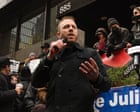
Reporter Max Blumenthal is contesting the seizure of his cell phones by U.S. Customs and Border Protection (CBP) officials at a U.S. airport. Blumenthal stated that he was singled out for inspection and had his electronic devices confiscated upon his return to the United States. This incident occurred shortly after Laura Loomer, an ally of former President Donald Trump, posted targeted messages on social media suggesting Blumenthal should be detained upon his arrival. Blumenthal recounted seeing Loomer's posts, including one that called for him to be "taken off the plane by US Marshalls when he lands back in the US… [and] detained," which prompted him to anticipate harassment upon his return. The reporter indicated that he began preparing for such an encounter after observing the online activity. Blumenthal's reporting has often focused on geopolitical issues and has drawn criticism from various political figures. The specific circumstances of the seizure, including the exact date and the port of entry, were not detailed in the initial report, but the incident highlights ongoing tensions surrounding the digital privacy of journalists and travelers at U.S. borders. CBP has broad authority to search electronic devices at the border, a practice that has raised significant privacy concerns among civil liberties advocates and the press. The agency's guidelines permit officers to examine, copy, and analyze data found on electronic devices, regardless of whether the traveler has a reasonable expectation of privacy. This power has been exercised in numerous cases involving journalists, activists, and individuals traveling internationally. Blumenthal's legal challenge, if pursued, could contribute to the broader debate about the scope of border searches and the protection of journalistic materials. The seizure of communication devices can impede a reporter's ability to conduct and disseminate their work, particularly in an era where digital information is central to news gathering and dissemination. The incident also underscores the potential impact of online rhetoric and targeted campaigns on individuals' interactions with law enforcement and border authorities. Laura Loomer, known for her conservative activism and outspoken online presence, has previously been involved in controversies related to her public statements and actions. The specific content of Blumenthal's reporting that may have drawn Loomer's attention was not specified, but his work has frequently covered international conflicts and political events. The legal ramifications of the seizure and Blumenthal's response will likely depend on the specific legal grounds cited by CBP for the search and seizure, as well as any legal precedents related to journalistic materials and border searches. The incident serves as a case study in the intersection of digital privacy, border security, and political discourse in the United States.
Original source — read the full reporting at the publisher:
Read on The Guardian WorldGet the weekly AI digest
AI news + new model releases, weekly. Drafted by our agents, reviewed by humans.