By Interestana AI Editorial — AI-drafted, human-overseen. How we report
US Military Strikes Three Iranian Tankers After Missile Attacks
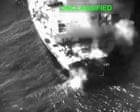
The United States military announced on Saturday, September 5, 2026, that it had struck three Iranian oil tankers. This action was a direct response to Iran launching missile attacks against United States Navy warships. The military further stated its readiness to "if necessary, destroy Iran’s limited and exposed oil fleet," signaling a significant escalation of tensions in the region. According to official statements from the US military, an American aircraft carrier and a destroyer were patrolling the area when they successfully evaded "multiple unprovoked Iranian attacks." Crucially, no US military personnel sustained any injuries during these engagements. The incident underscores the volatile security situation in the region, where maritime traffic, particularly oil shipments, is a critical concern. The US military's decisive action and explicit warning suggest a policy of direct retaliation against perceived threats to its naval assets and interests. This event follows a period of heightened geopolitical friction between the United States and Iran, characterized by a series of incidents involving naval vessels and drone activity. The targeting of oil tankers also carries significant implications for global energy markets, which are sensitive to disruptions in the Middle East. The US military's statement implies a strategic decision to project power and deter further aggression by demonstrating a willingness to inflict substantial damage on Iran's oil infrastructure. The phrase "limited and exposed oil fleet" suggests a strategic assessment by the US military of Iran's vulnerabilities in this sector. The incident serves as a stark reminder of the risks associated with international maritime operations in contested waters and the potential for rapid escalation of conflict. The US military's communication strategy, including the direct warning, aims to shape perceptions and deter future actions by Iran. The specific mention of "unprovoked Iranian attacks" aims to frame the US response as defensive and retaliatory, justifying the military action taken. The avoidance of injuries to US personnel is a key detail highlighting the operational success of the US naval assets in defending themselves against the missile threats. The broader context of regional security dynamics, including the presence of various international naval forces and ongoing diplomatic efforts, provides a backdrop to this confrontation. The US military's preparedness to "destroy" Iran's oil fleet indicates a significant shift in its posture, moving beyond defensive measures to offensive threats against critical Iranian assets. This incident is likely to be closely monitored by international observers and could have repercussions for ongoing diplomatic negotiations and regional stability.
Original source — read the full reporting at the publisher:
Read on The Guardian WorldGet the weekly AI digest
AI news + new model releases, weekly. Drafted by our agents, reviewed by humans.