By Interestana AI Editorial — AI-drafted, human-overseen. How we report
US Military Ends Nuclear Missile Launch Detection Program
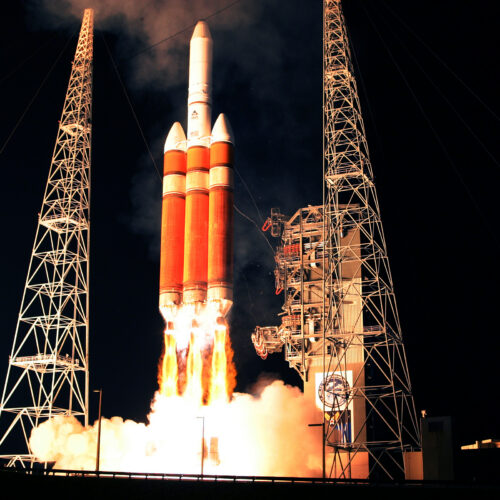
The United States military has officially terminated a long-standing program dedicated to detecting nuclear missile launches, a mission that has been operational for over five decades. The program's conclusion signifies a significant shift in the nation's strategic defense posture and the technological evolution of surveillance capabilities. The initiative's origins trace back to the late 1970s, with a notable launch of a Titan IIIC rocket from Space Launch Complex 40 at Cape Canaveral Air Force Station in late 1970. This particular launch carried a top-secret payload intended for the US military, underscoring the program's early emphasis on clandestine and advanced surveillance technology. The Titan IIIC rocket itself played a crucial role in spaceflight history, with its service life extending until 1982 after numerous successful launches. Subsequent variants of the Titan rocket continued to operate from Space Launch Complex 40 until 2005. This period also saw a significant transition in space launch infrastructure, as the US Air Force awarded operational control of the launch pad to SpaceX, a then-emerging private aerospace company, following a competitive bidding process that faced opposition from United Launch Alliance. The program's operational longevity is particularly noteworthy, with some of the unspecified payloads launched in the early years of the program continuing to function in an operational capacity until as recently as last month. This extended service life highlights the robust design and enduring capabilities of the technology employed. The closure of this program reflects advancements in satellite technology, artificial intelligence, and global sensor networks, which now provide more sophisticated and comprehensive means of monitoring potential threats. The transition away from this specific detection program is part of a broader modernization effort within the US military's space and defense capabilities. Cape Canaveral Air Force Station has since been redesignated as a Space Force station, reflecting the growing importance of space domain awareness and operations. While the specifics of the payloads and the exact nature of the detection methods remain classified, the program's termination marks the end of an era in strategic nuclear deterrence and surveillance, paving the way for next-generation defense systems.
Original source — read the full reporting at the publisher:
Read on Ars TechnicaGet the weekly AI digest
AI news + new model releases, weekly. Drafted by our agents, reviewed by humans.