By Interestana AI Editorial — AI-drafted, human-overseen. How we report
US Military Disables Ad Trackers on Troop Phones
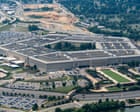
US military officials have disabled advertising trackers on a range of phones and computers, according to letters released on Friday by US Senator Ron Wyden and statements provided to Reuters. This action comes in response to reports indicating that commercially available location data was being utilized to target American forces operating in the Middle East. The move signifies a significant step by the Pentagon to bolster the digital security of its personnel and mitigate potential risks associated with the pervasive collection of location information by third-party data brokers.
Senator Ron Wyden, a vocal critic of data privacy practices, released correspondence detailing the military's commitment to addressing these vulnerabilities. The letters, sent to Wyden, confirm that the Department of Defense has taken steps to prevent the unauthorized tracking of its service members. This initiative is part of a broader effort to safeguard sensitive information that could be exploited by adversaries, thereby compromising operational security and the safety of US troops. The specific types of devices affected and the exact methods employed to disable the trackers were not fully detailed in the public statements, but the confirmation of action addresses a critical national security concern.
The reports that prompted this military response highlighted how data aggregators, often operating with minimal oversight, collect vast amounts of location data from mobile devices. This data, sometimes purchased by foreign entities or malicious actors, can inadvertently reveal the movements and locations of military personnel, including their presence in sensitive operational zones. The use of such data for targeting purposes poses a direct threat to individuals and missions, underscoring the urgent need for robust countermeasures. The military's decision to disable these trackers reflects an acknowledgment of the sophisticated digital threats faced by modern armed forces and a proactive approach to mitigating these risks.
This development also brings to light the ongoing debate surrounding data privacy and the ethical implications of location tracking technologies. While these trackers are often embedded in applications for advertising purposes, their potential misuse for surveillance and targeting has raised alarms among policymakers and security experts. The US military's action sets a precedent for other government agencies and potentially private sector organizations to re-evaluate their own data security protocols and the implications of third-party data collection on sensitive populations. The full scope of the military's implementation and its effectiveness in preventing future tracking incidents will likely be subject to further scrutiny and reporting.
Original source — read the full reporting at the publisher:
Read on The Guardian WorldGet the weekly AI digest
AI news + new model releases, weekly. Drafted by our agents, reviewed by humans.