By Interestana AI Editorial — AI-drafted, human-overseen. How we report
US Seeks to Influence Japan Monetary Policy, Not Bitcoin
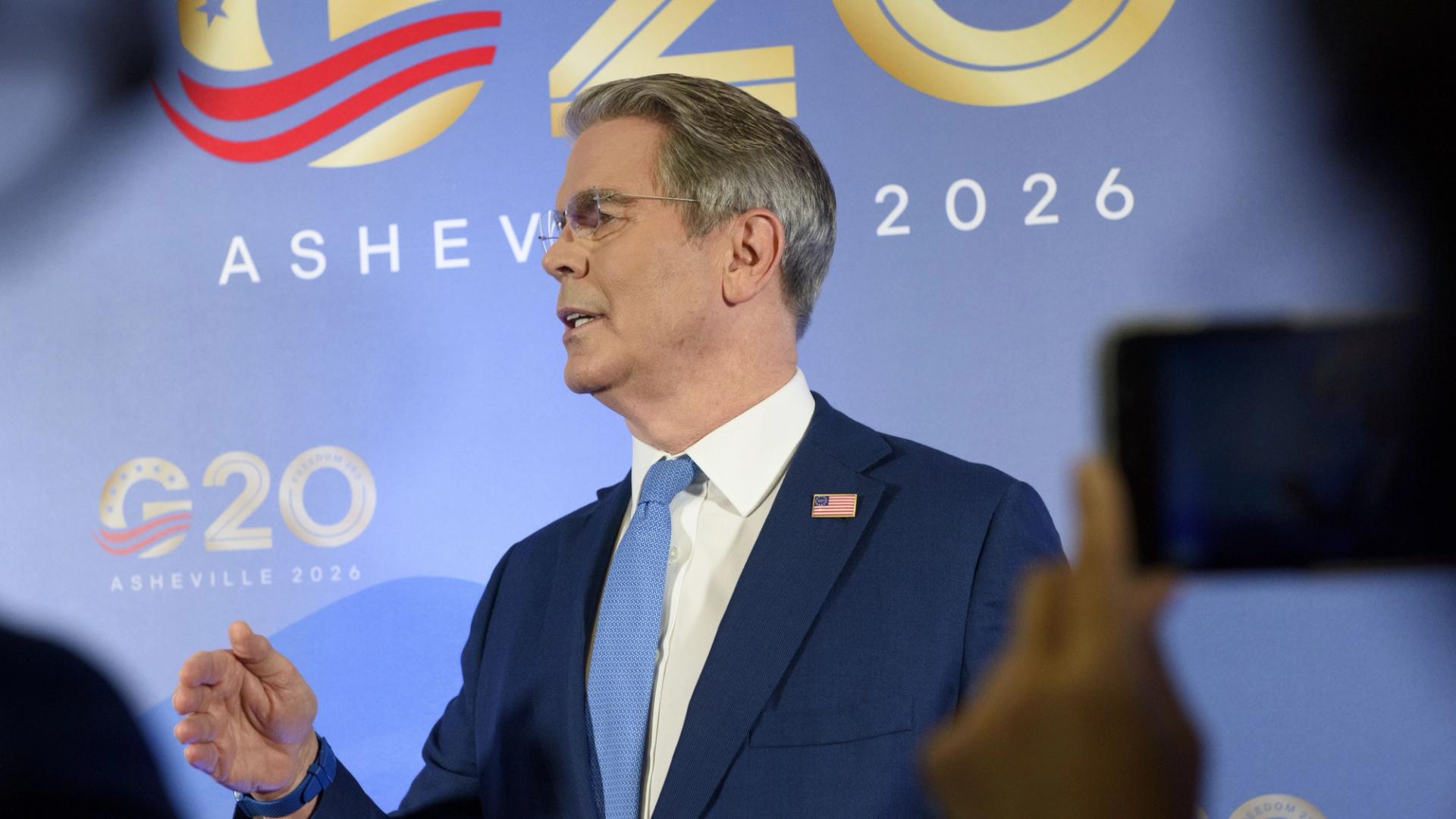
The United States is actively seeking to influence Japan's monetary policy decisions, a move that underscores a broader trend of major economies attempting to steer global financial currents. This diplomatic and economic engagement aims to align policies on issues such as interest rates and currency valuations, reflecting concerns about global economic stability and trade imbalances. The U.S. Treasury Department, in particular, has been engaged in discussions with Japanese counterparts to foster cooperation and understanding on these critical macroeconomic matters. These dialogues are part of ongoing efforts to maintain a stable international financial system and address potential disruptions that could arise from divergent monetary strategies.
However, the U.S. approach to digital assets, specifically Bitcoin, presents a stark contrast to its engagement with traditional monetary policy. Unlike sovereign currencies, Bitcoin operates on a decentralized network, making it inherently resistant to direct influence or control by any single government or central bank. U.S. officials have acknowledged this fundamental difference, recognizing that attempts to directly dictate Bitcoin's price or trajectory would be futile. This distinction highlights the evolving landscape of finance, where traditional levers of power held by central banks and governments are challenged by the emergence of decentralized digital currencies.
The U.S. regulatory stance on Bitcoin has been characterized by a cautious yet evolving framework, focusing on consumer protection, market integrity, and preventing illicit activities. While the U.S. Securities and Exchange Commission (SEC) and other regulatory bodies continue to scrutinize the cryptocurrency market, their actions are aimed at oversight rather than direct manipulation of the asset's value. This approach acknowledges Bitcoin's global, borderless nature and the limitations of national regulatory power in this domain. The U.S. government's strategy is therefore one of adaptation and regulation, rather than direct control, in the face of decentralized digital assets.
This dual approach – active influence on traditional monetary policy and a regulatory stance on digital assets – reflects the complex challenges facing policymakers in the 21st century. While traditional economic tools remain subject to international negotiation and influence, the decentralized nature of cryptocurrencies like Bitcoin necessitates a different set of strategies. The U.S. objective is to maintain economic stability through cooperation on monetary policy while simultaneously establishing clear guidelines for the burgeoning digital asset market, recognizing the inherent limitations of controlling a global, decentralized technology. The year 2026 is marked by these ongoing efforts to navigate this intricate financial terrain.
Original source — read the full reporting at the publisher:
Read on CoinDeskGet the weekly AI digest
AI news + new model releases, weekly. Drafted by our agents, reviewed by humans.