By Interestana AI Editorial — AI-drafted, human-overseen. How we report
US-led drills end early amid Trump push for Kim talks
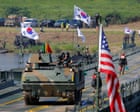
South Korea's joint chiefs of staff announced on Wednesday that the Ulchi Freedom Shield (UFS) joint military exercise with the United States will conclude six days earlier than scheduled, on August 21. The exercise, which commenced on Monday, August 18, was originally slated to run until August 27. This decision to shorten the drills comes after former US President Donald Trump reportedly directed the Pentagon to scale back the exercises. The UFS is a significant annual combined military training event between the Republic of Korea (ROK) and the United States, designed to enhance readiness and interoperability between the two allied forces. It typically involves a wide range of military activities, including command post exercises, field training, and simulations, aimed at preparing for various contingencies and strengthening the combined defense posture against potential threats. The reduction in the exercise's duration is seen by some analysts as a move to facilitate diplomatic engagement with North Korea. Trump's administration previously pursued a strategy of direct engagement with North Korean leader Kim Jong-un, including summits in Singapore and Hanoi, with the goal of denuclearization. This early termination of the UFS exercise could signal a renewed effort to create a more conducive environment for dialogue, potentially aligning with Trump's stated desire for a "good relationship" with Kim Jong-un. The UFS exercise is a cornerstone of the ROK-US alliance's deterrence capabilities, and its modification may be interpreted differently by regional actors. South Korea's Ministry of National Defense has stated that the decision was made at the request of the US side, emphasizing the collaborative nature of the alliance's planning processes. The specific details of the US request and the rationale behind Trump's directive to scale back the drills have not been fully disclosed by the Pentagon. However, the timing suggests a deliberate effort to de-escalate tensions and potentially pave the way for renewed diplomatic overtures towards Pyongyang. The UFS exercise is a critical component of maintaining peace and stability on the Korean Peninsula, and any adjustments to its scope or duration are closely watched by regional powers, including North Korea, China, and Japan. The alliance has consistently maintained that its military readiness exercises are defensive in nature and are crucial for deterring aggression. The early end to this year's UFS exercise marks a notable departure from previous years and underscores the evolving dynamics of inter-Korean relations and US foreign policy towards North Korea.
Original source — read the full reporting at the publisher:
Read on The Guardian WorldGet the weekly AI digest
AI news + new model releases, weekly. Drafted by our agents, reviewed by humans.