US Strikes Iran After Tanker Attacks in Strait of Hormuz
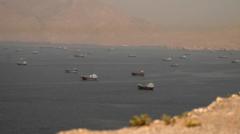
The United States Central Command (CENTCOM) launched military strikes against Iran this week, responding to recent attacks on oil tankers in the Strait of Hormuz. According to a statement released by CENTCOM, the strikes are designed to impose "heavy costs" on Iran for its aggressive actions in the vital waterway. The specific targets and extent of the damage were not immediately detailed, but the operation signifies a significant escalation in regional tensions.
The attacks on the oil tankers, which occurred in the days leading up to the US response, have raised international concerns about the security of global energy supplies. The Strait of Hormuz is a critical chokepoint for oil transportation, with a substantial portion of the world's crude oil passing through its waters daily. Iran has previously been accused by the US and its allies of being responsible for similar attacks in the region, allegations that Tehran has consistently denied.
CENTCOM's announcement emphasized that the strikes are a defensive measure aimed at deterring future Iranian aggression and protecting international shipping. The command stated its commitment to freedom of navigation and the unimpeded flow of commerce. The US has been working with international partners to ensure the safety of maritime traffic in the Persian Gulf and the Strait of Hormuz, deploying naval assets to the region to deter further incidents.
This military action follows a period of heightened diplomatic and military posturing between the US and Iran. The US has consistently warned Iran against actions that threaten regional stability and international maritime security. The recent tanker incidents, coupled with the US strikes, underscore the volatile nature of the geopolitical situation in the Middle East and the potential for wider conflict.
Original source — read the full reporting at the publisher:
Read on BBC World News