By Interestana AI Editorial — AI-drafted, human-overseen. How we report
Judge Temporarily Blocks Minnesota Prediction Market Ban
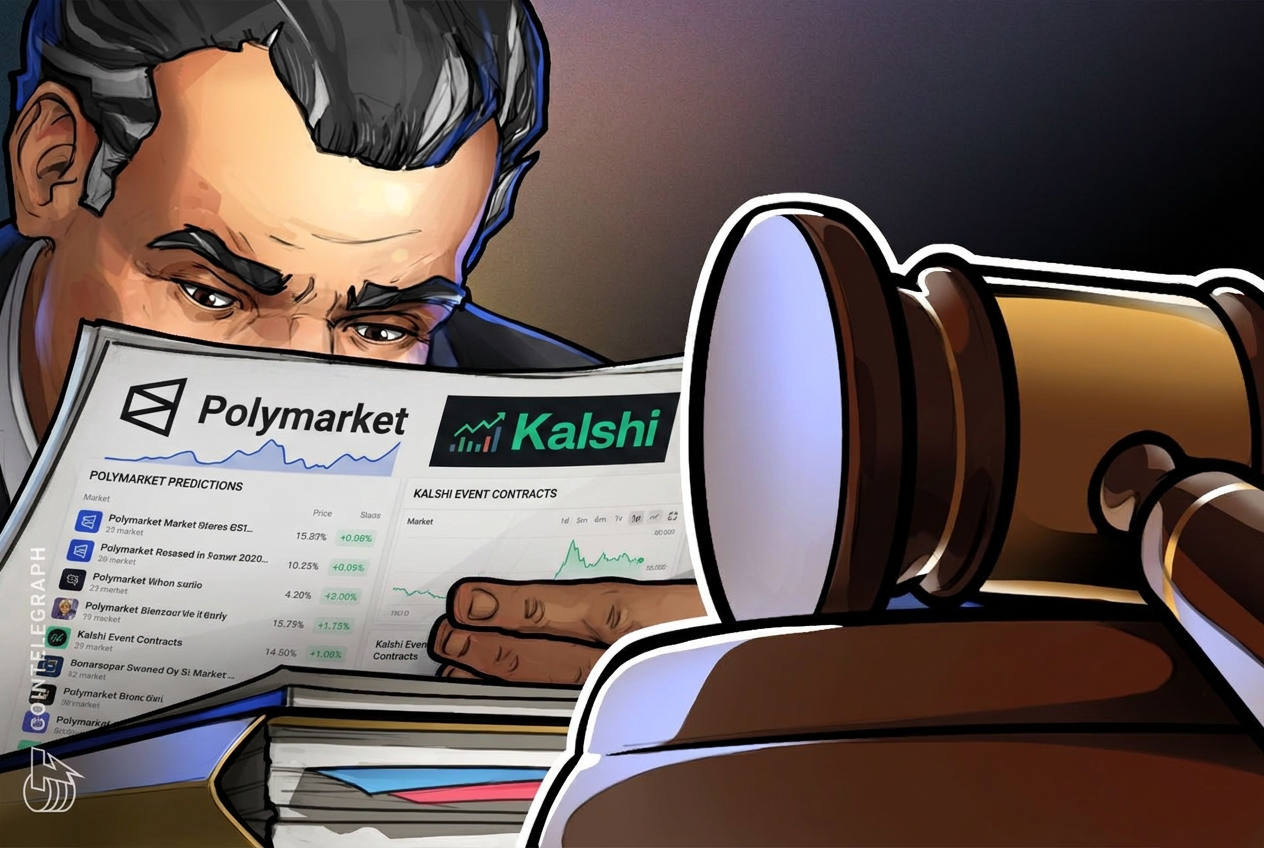
A federal judge in the United States has issued a preliminary injunction temporarily blocking Minnesota's recently enacted ban on prediction markets. This judicial intervention permits Kalshi and Polymarket US, two prominent prediction market platforms, to continue their operations within the state. The injunction remains in effect while the court deliberates on the legal challenge brought forth by these companies against the Minnesota law. The state's ban, which was set to take effect on January 1, 2024, aimed to classify prediction markets as illegal gambling. Minnesota Attorney General Keith Ellison had previously stated that these markets violate state gambling laws. Prediction markets allow users to bet on the outcomes of future events, ranging from political elections to economic indicators. Critics argue that these markets function as unregulated gambling, posing risks to consumers and potentially influencing events. Proponents, however, contend that prediction markets serve as valuable tools for information aggregation and forecasting, offering insights that traditional polling or analysis cannot provide. They also emphasize that these platforms are not designed for pure chance but rather for informed speculation based on available data. The legal challenge by Kalshi and Polymarket US centers on the argument that their platforms do not constitute illegal gambling under existing state statutes. They assert that their markets are based on the likelihood of verifiable future events, and participants are trading on information rather than engaging in games of chance. The companies argue that the ban infringes upon their First Amendment rights to free speech and expression, as the markets facilitate the exchange of information and ideas. The preliminary injunction signifies a temporary victory for the prediction market operators, allowing them to maintain their user base and revenue streams in Minnesota while the legal proceedings unfold. The outcome of this case could have significant implications for the future of prediction markets across the United States, potentially setting a precedent for how such platforms are regulated. The Minnesota law was enacted following concerns raised by regulators and consumer protection groups about the potential for manipulation and the lack of oversight in these markets. The prediction market industry has been growing, with platforms like Kalshi and Polymarket attracting a significant number of users interested in trading on future events. The legal battle highlights the ongoing tension between innovation in financial and information-sharing technologies and the established regulatory frameworks designed to protect consumers and maintain market integrity. The court's final decision will likely hinge on its interpretation of whether prediction markets fall under the definition of gambling or are considered a form of protected commercial speech or information exchange. The case is being closely watched by industry participants, legal experts, and policymakers alike, as it addresses novel questions about the intersection of technology, finance, and regulation in the digital age. The temporary reprieve granted by the judge allows for continued operation and engagement, providing more time for a thorough examination of the complex legal and economic arguments involved.
Original source — read the full reporting at the publisher:
Read on CoinTelegraphGet the weekly AI digest
AI news + new model releases, weekly. Drafted by our agents, reviewed by humans.