Judge Rejects DOJ Subpoena for 2020 Georgia Election Data
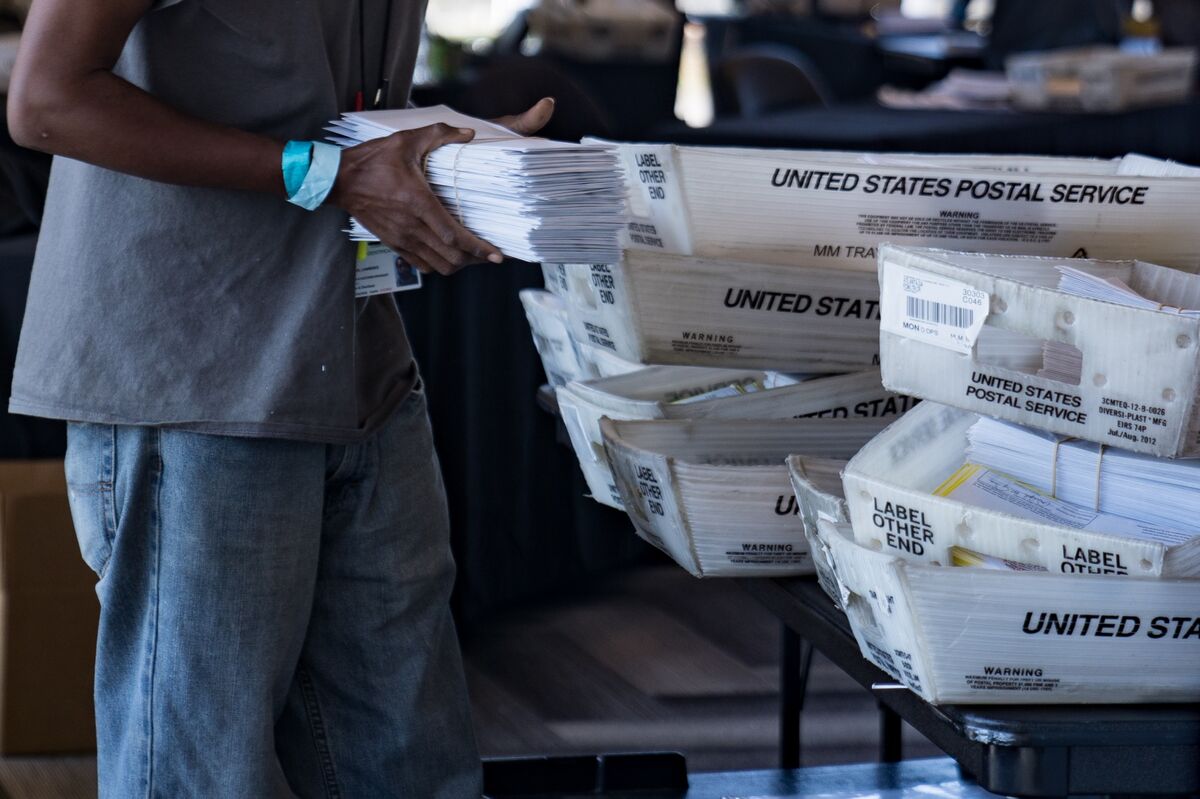
A federal judge rejected a subpoena issued by the US Justice Department that sought to obtain information about election workers in Fulton County, Georgia, in connection with the 2020 presidential election. The ruling, made by U.S. District Judge Leigh Martin May, stated that the subpoena was overly broad and did not sufficiently narrow its scope to protect the privacy of the individuals involved. The Justice Department had been investigating alleged interference with election duties and had sought records pertaining to individuals who worked at polling places or assisted in vote tabulation.
Judge May's decision emphasized the importance of protecting the personal information of election workers, who often perform their duties on a volunteer basis or for modest compensation. The court found that the subpoena, as written, could have exposed sensitive personal data of numerous individuals without a clear and compelling justification directly tied to the investigation's specific needs. This ruling underscores the legal challenges in balancing investigative needs with the privacy rights of citizens engaged in civic duties.
The Justice Department had argued that the information was necessary to determine whether any election workers had engaged in unlawful conduct during the 2020 election, particularly in the aftermath of widespread claims of fraud. However, the court determined that less intrusive means could be employed to gather relevant information without compromising the privacy of a large group of individuals. The specific details of the investigation and the exact information sought by the subpoena were not fully disclosed in the public ruling, citing ongoing legal proceedings.
This decision represents a setback for the Justice Department's efforts to gather broad data related to the 2020 election in Fulton County. It also highlights the judiciary's role in scrutinizing government subpoenas to ensure they are narrowly tailored and respect individual privacy rights. The Justice Department has the option to appeal the ruling or to issue a more narrowly defined subpoena if it believes it can meet the court's requirements.
Original source — read the full reporting at the publisher:
Read on Bloomberg Markets