By Interestana AI Editorial — AI-drafted, human-overseen. How we report
US infant defies bleak odds from rare congenital trait: ‘Don’t quit before your child quits’
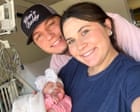
Wren Michelle Roberts, an infant born in September in South-eastern Louisiana, was diagnosed with heterotaxy, a congenital syndrome so exceptionally rare that a specialist could identify only 15 similar cases globally. This condition involves a complex array of birth defects, and Wren's specific presentation was initially deemed unsurvivable by her medical team. Her parents, Nick and Savannah Roberts, were so prepared for the worst that they had made arrangements to bury their daughter the weekend following her birth.
However, Wren's trajectory has defied these grim predictions. An unforeseen congenital trait within her heart, the specifics of which were not detailed in the provided information, proved to be a critical factor in her survival. This, combined with the profound dedication and commitment of her parents to navigating her intricate and demanding medical care, has allowed Wren to achieve developmental milestones. Her physician has characterized each of these achievements as a "miracle in [their] own way," underscoring the extraordinary nature of her progress.
Heterotaxy syndrome, also known as visceral heterotaxy or situs ambiguus, is a disorder characterized by abnormal arrangement of visceral organs, most commonly affecting the heart, lungs, spleen, and liver. The condition arises during early embryonic development when the left-right asymmetry of organs fails to establish correctly. Cardiac defects are present in nearly all individuals with heterotaxy and can range from simple septal defects to complex single-ventricle physiology. The rarity of Wren's specific combination of heterotaxy and the unique heart trait highlights the significant challenges in predicting outcomes for such complex congenital conditions. The variability in presentation means that each case can be distinct, making established prognoses difficult to apply universally.
Wren's survival and ongoing development represent a remarkable deviation from the expected course, demonstrating the potential for unexpected resilience in infants facing severe birth defects. The narrative strongly emphasizes the indispensable role of parental advocacy and unwavering dedication in managing the complexities of intensive medical care for infants with life-threatening conditions. The Roberts family's proactive and persistent approach to Wren's treatment has been instrumental in her ability to reach developmental markers that were once considered unattainable. This case serves as a powerful testament to the unpredictable nature of medical outcomes and the profound impact of devoted care in challenging circumstances, offering a vital message of hope that encourages perseverance even when faced with overwhelming odds.
Original source — read the full reporting at the publisher:
Read on The Guardian WorldGet the weekly AI digest
AI news + new model releases, weekly. Drafted by our agents, reviewed by humans.