By Interestana AI Editorial — AI-drafted, human-overseen. How we report
Immigration Judge Allows Deportation Under Cold War Law
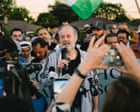
An immigration judge has ruled that Salah Sarsour, the president of Wisconsin’s largest mosque and a US permanent resident for nearly three decades, can be deported under a cold war-era law. This ruling comes after the Trump administration sought to utilize the controversial statute against foreign nationals who have been vocal advocates for Palestinian rights. Sarsour was detained by US Immigration and Customs Enforcement (ICE) in March. However, he was subsequently released after a federal judge determined that his detention likely constituted retaliation for his advocacy for Palestinian rights, which would render the detention unlawful. The specific law in question, the McCarran-Walter Act of 1952, grants the government broad powers to deport individuals deemed a threat to national security or public order, even if they have legal residency status. This act has been criticized by civil liberties advocates for its potential to suppress free speech and political dissent. The Trump administration had previously attempted to use this law in other cases involving individuals critical of US foreign policy, particularly concerning the Israeli-Palestinian conflict. Sarsour, who has lived in the United States for almost 30 years, has been an active member of the Muslim community in Milwaukee and a prominent voice in discussions surrounding Middle Eastern politics. His case highlights the ongoing tension between national security concerns and the protection of civil liberties, particularly for individuals engaged in political activism. The decision by the immigration judge allows the deportation proceedings to continue, potentially leading to Sarsour's removal from the United States. His legal team has indicated they will continue to fight the deportation order, arguing that the application of the McCarran-Walter Act in his case is an overreach of government power and a violation of his rights. The case underscores the complex legal and political landscape surrounding immigration and free speech in the United States, particularly for individuals with strong political convictions on international issues. The outcome of Sarsour's case could set a precedent for how similar laws are applied in future immigration proceedings involving political activists.
Original source — read the full reporting at the publisher:
Read on The Guardian WorldGet the weekly AI digest
AI news + new model releases, weekly. Drafted by our agents, reviewed by humans.