By Interestana AI Editorial — AI-drafted, human-overseen. How we report
House Tax Committee Advances Crypto Tax Bill
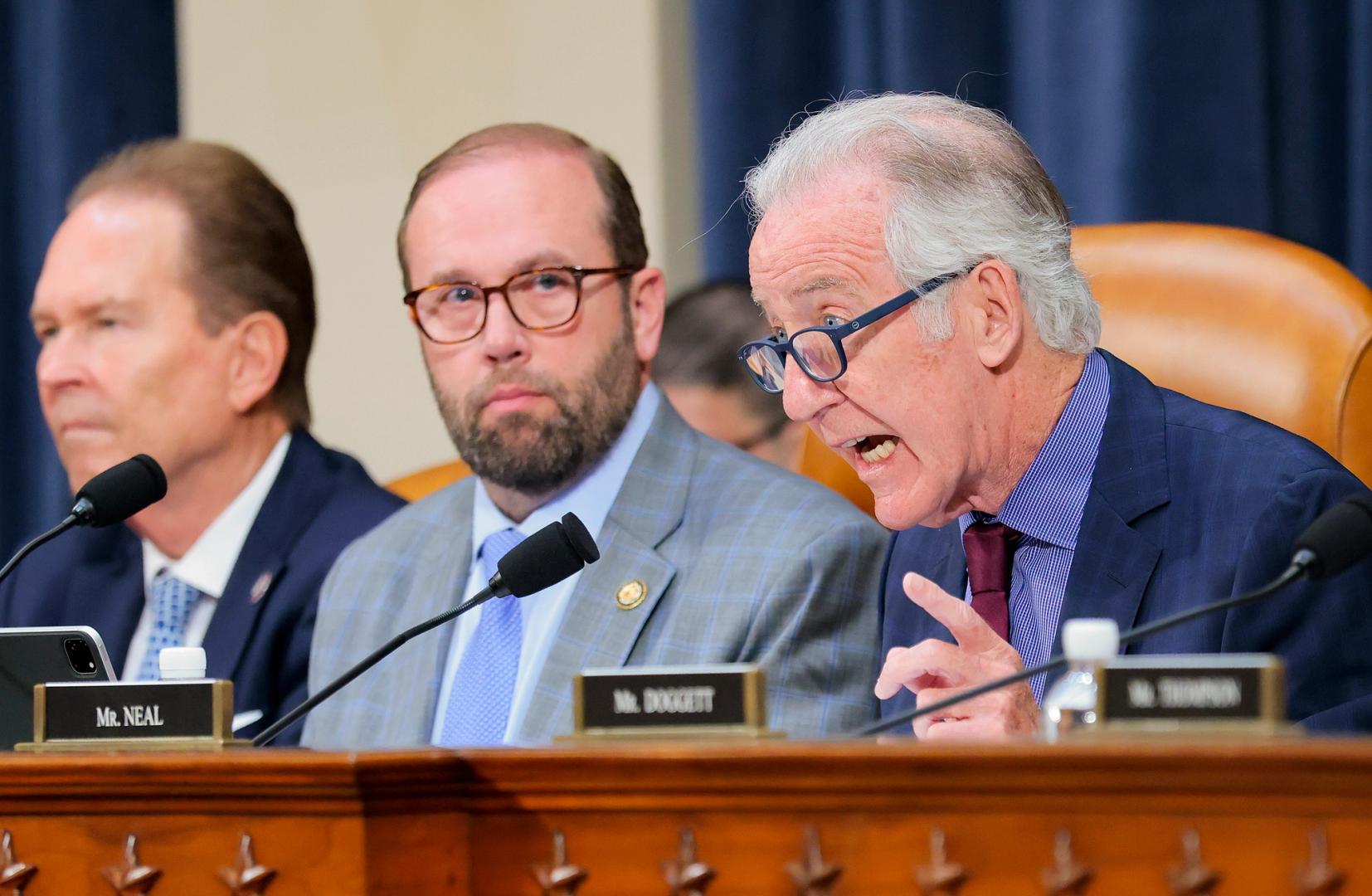
The U.S. House Ways and Means Committee advanced a legislative proposal aimed at simplifying cryptocurrency taxation for everyday transactions on June 12, 2024. This move comes in the wake of the defeat of the Digital Asset Tax Certainty Act, a similar bill that failed to pass. The proposed legislation seeks to alleviate the complex tax burdens associated with the frequent use of digital assets for purchases and services. Currently, many cryptocurrency users face significant challenges in accurately reporting their tax obligations due to the intricate rules governing the taxation of virtual currency transactions, which can include capital gains and losses on even small purchases.
The bill's advancement through the committee marks a significant step towards providing clearer guidelines for individuals and businesses engaging with cryptocurrencies. Proponents argue that such clarity is essential for fostering broader adoption and innovation within the digital asset space. By reducing the complexity of tax compliance, the legislation intends to encourage more widespread use of cryptocurrencies for everyday commerce, similar to how traditional currencies are used. The committee's decision reflects a growing recognition among policymakers of the need to address the evolving landscape of digital finance and its implications for tax policy.
However, the legislative process has not been without its challenges. Pushback and debate have emerged, partly fueled by concerns regarding the industry ties of former President Donald Trump. While the specific details of these concerns were not elaborated upon in the provided context, they highlight the political sensitivities surrounding cryptocurrency regulation and taxation. The interplay between industry lobbying, political figures, and legislative outcomes underscores the complex environment in which digital asset policy is being shaped. The committee's advancement of the bill suggests a willingness to move forward despite these political considerations, prioritizing the potential benefits of tax simplification for the digital asset economy.
The Digital Asset Tax Certainty Act, which preceded this current effort, aimed to provide similar tax relief by establishing clearer rules for de minimis exemptions for small cryptocurrency transactions. Its failure to pass indicates the ongoing difficulty in achieving consensus on digital asset legislation. The current bill's progression suggests that lawmakers are continuing to explore avenues to address the tax challenges posed by cryptocurrencies, recognizing their increasing integration into the financial system. The ultimate goal is to create a tax framework that is both fair and practical, supporting technological advancement while ensuring compliance with tax laws. The committee's action is a signal that the discussion on crypto taxation is far from over and that legislative solutions are actively being pursued.
Original source — read the full reporting at the publisher:
Read on CoinDeskGet the weekly AI digest
AI news + new model releases, weekly. Drafted by our agents, reviewed by humans.