US Power Demand Shatters 20-Year Record Amid Heatwave
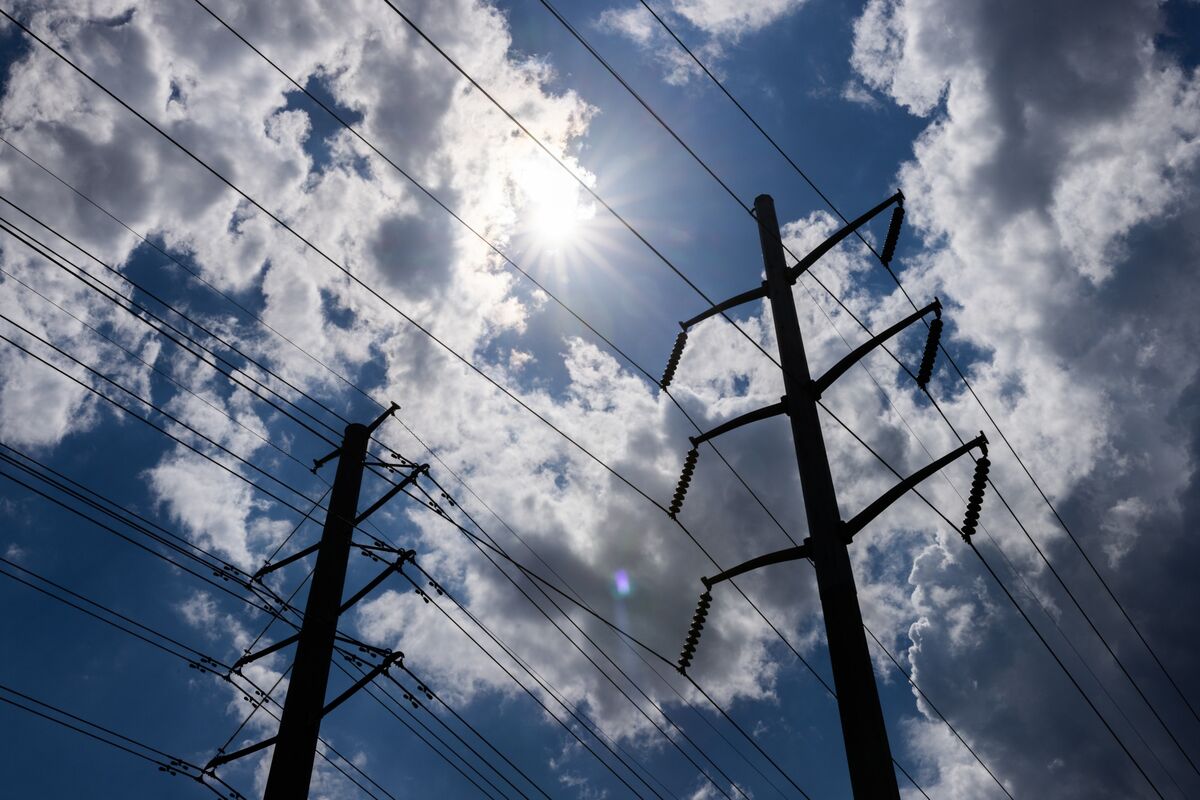
US power consumption likely reached an all-time record high this week, significantly exceeding forecasts and breaking a previous high that had stood for approximately 20 years. The Electric Reliability Council of Texas (ERCOT), responsible for managing the grid in most of the state, indicated that demand surpassed expectations. This surge in electricity usage is directly attributed to the prolonged and intense heatwave gripping large portions of the United States.
ERCOT had anticipated high demand but the actual consumption figures have gone beyond those projections. The grid operator had implemented measures to prepare for the heat, including urging conservation and bringing additional power generation online. Despite these efforts, the unprecedented demand underscores the strain placed on the nation's energy infrastructure by extreme weather events. The sustained high temperatures across multiple regions have led to increased use of air conditioning, a primary driver of peak electricity demand.
While the exact record-breaking figure is still being finalized, preliminary data suggests it has surpassed the previous peak. This event highlights the growing challenge of maintaining grid stability during periods of extreme weather, which are becoming more frequent and severe. Grid operators nationwide are facing increased pressure to ensure sufficient power supply to meet demand, especially during peak hours. The situation in Texas, managed by ERCOT, is often seen as a bellwether for grid performance under stress.
The record demand serves as a stark reminder of the vulnerabilities in the power grid when faced with climate-driven weather extremes. Future planning and investment in grid modernization and renewable energy sources will be crucial to adapt to such challenges. The sustained high temperatures are expected to continue in some areas, potentially leading to further strain on power resources.
Original source — read the full reporting at the publisher:
Read on Bloomberg Markets