By Interestana AI Editorial — AI-drafted, human-overseen. How we report
US State Department Map of Africa Erroneously Labeled All Countries at Global AIDS Conference
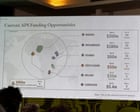
A significant geographical blunder occurred at the Aids 2026 conference in Rio de Janeiro, Brazil, this week when a map of Africa presented by the United States State Department mislabeled every single country. The erroneous chart was displayed during a presentation detailing the State Department's new health agreements, a session that was being recorded and viewed by Reuters. The incident quickly drew attention from attendees who captured screenshots of the inaccurate map and disseminated them across social media platforms, sparking considerable discussion and consternation among participants at the global gathering.
The Aids 2026 conference is a pivotal international event, bringing together a diverse array of stakeholders including researchers, policymakers, public health officials, and advocates dedicated to combating the HIV/AIDS epidemic. The conference serves as a crucial forum for sharing advancements, forging new partnerships, and strategizing future interventions. The State Department's presentation was intended to highlight its contributions and agreements within this vital global health landscape. The presence of a fundamentally flawed map, particularly one that misrepresented the entire African continent, undermined the credibility of the information being conveyed and drew immediate criticism.
In response to the widespread backlash and the undeniable error, the US State Department issued a statement acknowledging the mistake and explicitly stating that it "takes full responsibility" for the oversight. While the precise nature and extent of each individual mislabeling were not fully detailed in initial reports, the assertion that "every country" was misrepresented suggests a profound and systemic error in the cartographic data utilized. Such inaccuracies, especially when presented by a government entity at an international forum, can have far-reaching implications. They can distort perceptions of regional dynamics, influence discussions on resource allocation for health initiatives, and cast doubt on the geographical literacy of official sources. The swift acceptance of responsibility by the State Department is a critical step in attempting to mitigate the reputational damage and rebuild trust in the accuracy of future US government communications on global affairs. This incident underscores the paramount importance of meticulous accuracy in all forms of official representation, particularly in sensitive areas like global health and international relations, where precise geographical understanding is fundamental to effective policy and collaboration.
Original source — read the full reporting at the publisher:
Read on The Guardian WorldGet the weekly AI digest
AI news + new model releases, weekly. Drafted by our agents, reviewed by humans.