By Interestana AI Editorial — AI-drafted, human-overseen. How we report
US Government Spied on Anti-ICE Protesters and Leftwing Groups
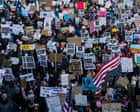
Newly disclosed records indicate that the US government conducted extensive surveillance on prominent leftwing organizations and protesters involved in opposing immigration crackdowns in Minnesota earlier this year. These revelations stem from internal investigative reports within the Department of Homeland Security (DHS). The DHS reportedly deployed undercover agents to attend community meetings in both the Twin Cities and New York. Furthermore, the department infiltrated encrypted communication channels, specifically Signal chats, used by these groups. In addition to digital surveillance, the DHS also obtained financial records belonging to mainstream unions and left-leaning nonprofit organizations. This operation was part of a broader effort to monitor groups that were actively opposing the immigration policies enacted during the Trump administration.
The scope of the surveillance suggests a significant investment of resources and personnel into monitoring domestic activism. The use of undercover agents and infiltration of private communications raises concerns about civil liberties and the potential for chilling effects on free speech and association. The records specifically mention operations targeting groups that were vocal in their opposition to the former president's immigration enforcement measures. This suggests a focus on dissent related to immigration policy, extending beyond individuals to encompass established organizations and unions.
While the specific timeline for the "earlier this year" operations is not detailed in the provided excerpt, the context points to activities occurring in the period leading up to the disclosure of these records. The involvement of the Department of Homeland Security, a primary federal agency responsible for border security and immigration enforcement, underscores the government's direct interest in monitoring opposition to its policies. The infiltration of Signal chats, a messaging application known for its end-to-end encryption, highlights the lengths to which intelligence and law enforcement agencies may go to gather information on targeted groups. The acquisition of financial records further suggests an effort to understand the organizational structure, funding, and operational capacity of these activist networks.
The implications of such widespread surveillance on domestic political groups are significant. Critics often argue that such tactics can be used to suppress legitimate dissent and to create an environment where individuals and organizations fear engaging in political activism. The revelation that mainstream unions and left-leaning nonprofits were targeted suggests that the surveillance was not limited to fringe groups but extended to established civil society organizations. This broadens the potential impact on democratic processes and the ability of citizens to organize and advocate for their beliefs. The Guardian's reporting on these records aims to bring transparency to the extent of government surveillance activities on its own citizens and domestic organizations.
Original source — read the full reporting at the publisher:
Read on The Guardian WorldGet the weekly AI digest
AI news + new model releases, weekly. Drafted by our agents, reviewed by humans.