By Interestana AI Editorial — AI-drafted, human-overseen. How we report
US Gas Plant Plans Surge 44% Driven by Data Centers
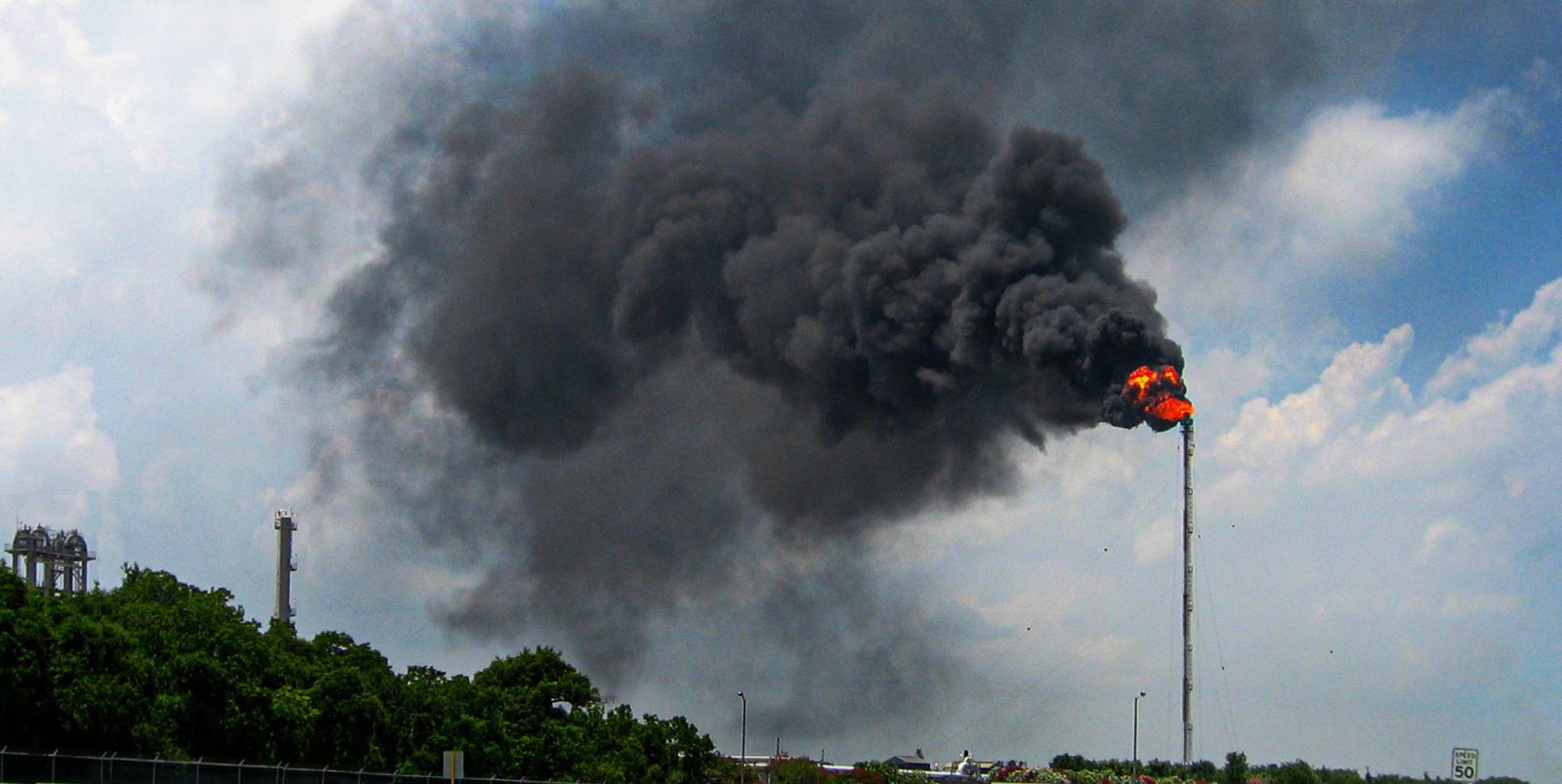
The United States has seen a significant surge in proposed natural gas power plant capacity, with plans increasing by 44% over an eight-month period. This dramatic rise is largely attributed to the escalating energy demands of data centers, which are expanding rapidly to support artificial intelligence and other digital infrastructure. Data from the U.S. Energy Information Administration (EIA) indicates that proposed grid-connected gas capacity has nearly tripled since early 2023, signaling a substantial shift in the nation's energy development landscape. Concurrently, plans for new wind power installations have reportedly been shrinking, suggesting a potential slowdown in renewable energy expansion in favor of fossil fuels to meet immediate power needs.
The surge in gas plant proposals is a direct response to the immense and growing electricity requirements of data centers. These facilities, essential for cloud computing, AI model training, and cryptocurrency mining, consume vast amounts of power. As the digital economy expands, so does the need for robust and reliable energy sources to fuel these operations. The EIA's data highlights that the proposed capacity for new gas-fired power plants reached 37 gigawatts (GW) by the end of 2023, a substantial increase from previous periods. This growth outpaces the development of other energy sources, including renewables, which are crucial for meeting climate goals but may not be able to scale quickly enough to satisfy the immediate power demands of the burgeoning data center sector.
This trend raises concerns among environmental advocates and policymakers who are working to decarbonize the U.S. energy grid. While natural gas is often presented as a cleaner alternative to coal, it is still a fossil fuel that emits greenhouse gases, contributing to climate change. The increased reliance on gas power could hinder the nation's progress toward its climate targets, such as those outlined in the Paris Agreement. The EIA's findings underscore a complex challenge: balancing the rapid growth of energy-intensive digital technologies with the urgent need to transition to sustainable energy sources. The sheer scale of new data center construction, particularly in regions with high electricity demand, necessitates a rapid increase in power generation, and gas is currently seen by many developers as the most readily available and cost-effective solution for meeting this demand in the short to medium term.
The implications of this trend extend beyond environmental concerns. The increased development of gas infrastructure could lead to greater long-term dependence on fossil fuels, potentially locking in emissions for decades to come. Furthermore, the fluctuating prices of natural gas can impact the operational costs of data centers and the overall stability of the electricity market. As the U.S. navigates this energy transition, policymakers face the difficult task of incentivizing renewable energy development while ensuring that the growing demands of the digital economy are met reliably and sustainably. The EIA's data serves as a critical indicator of the current trajectory and highlights the need for strategic planning and investment in both clean energy technologies and grid modernization to accommodate future energy needs.
Original source — read the full reporting at the publisher:
Read on ElectrekGet the weekly AI digest
AI news + new model releases, weekly. Drafted by our agents, reviewed by humans.