By Interestana AI Editorial — AI-drafted, human-overseen. How we report
US F-16 Fighter Jet Crashes at German Air Base
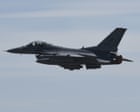
A United States Air Force F-16 fighter jet crashed on Tuesday while on approach to Spangdahlem Air Base in western Germany. The incident occurred after the aircraft had completed a training drill. Officials confirmed that one pilot successfully ejected from the aircraft and is currently receiving medical treatment. The cause of the crash is under investigation, and emergency response personnel were dispatched to the scene immediately following the incident. Spangdahlem Air Base, located in the Rhineland-Palatinate region of Germany, serves as a critical hub for US Air Forces in Europe – Air Forces Africa (USAFE-AFAFRICA) operations. The base hosts various fighter squadrons and support units, playing a significant role in NATO's collective defense posture. The F-16 Fighting Falcon is a versatile, single-engine supersonic jet fighter aircraft originally developed by General Dynamics (now Lockheed Martin) for the United States Air Force. It is known for its agility and combat effectiveness, serving in the air forces of numerous allied nations. The specific squadron and unit to which the crashed F-16 was assigned have not yet been publicly disclosed by the military. The investigation into the cause of the crash will likely involve a thorough examination of the aircraft's wreckage, flight data recorders, and pilot testimony. Such investigations are standard procedure for any aviation incident involving military aircraft and aim to determine contributing factors, whether mechanical, environmental, or human error, to prevent future occurrences. The safe ejection of the pilot is a primary concern in such events, and the prompt medical attention provided underscores the military's commitment to personnel welfare. The US military has not provided an estimated timeline for the completion of the investigation or any potential impact on flight operations at Spangdahlem Air Base. The base's strategic location in Europe makes it a key asset for projecting air power and maintaining regional stability. The incident serves as a reminder of the inherent risks associated with military aviation training and operations, even with advanced technology and rigorous safety protocols in place. Further details are expected to be released as the investigation progresses and more information becomes available from official military sources.
Original source — read the full reporting at the publisher:
Read on The Guardian WorldGet the weekly AI digest
AI news + new model releases, weekly. Drafted by our agents, reviewed by humans.