By Interestana AI Editorial — AI-drafted, human-overseen. How we report
US Datacenters Face Wastewater Pollution Backlash
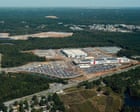
Datacenters across the United States are encountering escalating opposition due to concerns over wastewater pollution, with a series of reported violations and alleged contamination incidents sparking significant alarm among officials and the public. These issues range from the detection of rare, potentially hazardous bacteria to the presence of persistent "forever chemicals" in discharged water, raising questions about the environmental impact of the rapidly expanding digital infrastructure.
In a notable instance, officials in Wyoming discovered a rare bacterium, identified as *Cupriavidus gilardii*, in approximately 801,000 gallons of water discharged into the sewer system from a large Meta datacenter under construction in Cheyenne. While the wastewater was not intended for public consumption, the presence of this bacterium in water released by a contractor for the datacenter earlier this year caused considerable unease. This incident highlights the complex challenges associated with managing the vast quantities of water used in datacenter operations and the potential for unforeseen environmental consequences.
The scrutiny extends beyond bacterial contamination. Concerns are also mounting regarding the presence of per- and polyfluoroalkyl substances (PFAS), commonly known as "forever chemicals," in datacenter wastewater. These chemicals are persistent in the environment and can accumulate in living organisms, posing long-term health risks. While specific datacenters have not been explicitly named in relation to PFAS contamination in this context, the broader issue of industrial wastewater management and its potential impact on water sources is a growing area of focus for environmental regulators and advocacy groups. The sheer volume of water processed by datacenters, often used for cooling, means that any contaminants present can be discharged in substantial quantities, amplifying environmental risks.
This wave of concern is occurring against a backdrop of exponential growth in the artificial intelligence sector, which is heavily reliant on datacenters for its computational power. The demand for AI services is driving the construction of new, larger datacenters, intensifying the need for robust environmental oversight and sustainable water management practices. As the digital economy continues its rapid expansion, the environmental footprint of datacenters, particularly concerning water usage and wastewater discharge, is becoming an increasingly critical issue for policymakers and the public alike. The incidents in Wyoming and the broader concerns about chemical pollutants underscore the urgent need for stricter regulations and more transparent reporting from the technology industry regarding its environmental impact.
Original source — read the full reporting at the publisher:
Read on The Guardian WorldGet the weekly AI digest
AI news + new model releases, weekly. Drafted by our agents, reviewed by humans.