By Interestana AI Editorial — AI-drafted, human-overseen. How we report
US-China Fast Food Chains Bridge Political Divide
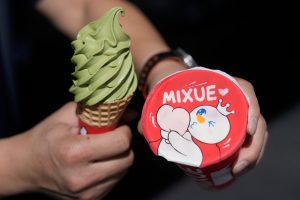
Fast food chains from both China and the United States are experiencing significant expansion in each other's domestic markets, creating a form of "gastrodiplomacy" that bridges political and economic divides. American restaurant and beverage companies are rapidly growing their presence in China, attracted by the nation's vast consumer base, which is approximately four times the size of the U.S. population. This expansion occurs even as China's economy faces challenges, including sluggish growth and intense domestic competition. Concurrently, Chinese fast food brands are increasingly venturing into the United States, leveraging consumer interest in diverse culinary experiences. Yaling Jiang, founder of ApertureChina, a market research firm with offices in Shanghai and London, described this trend as business- and consumer-led gastrodiplomacy. She noted that new American entrants in China, such as Popeyes and Five Guys, are perceived as "guilty pleasures" by Chinese consumers. Conversely, she stated that the growing international palates of Americans have created an opening for Chinese brands to act as "unofficial ambassadors" for their nation's culture. Jiang further elaborated that consumerism provides a "safe, introductory channel for contemporary Chinese culture" and serves as a potent tool for enhancing China's "soft power." This cross-cultural culinary engagement is occurring against a backdrop of significant geopolitical tensions between the two nations, which span issues from tariffs and technology to territorial disputes. The phenomenon highlights how consumer-driven trends can foster connections even amidst high-level political disagreements. For instance, the article references a moment in 2013 when Chinese President Xi Jinping made a notable public visit to a steamed-bun restaurant in Beijing, where he waited in line and ordered a meal costing 21 yuan (approximately $3). This personal gesture underscored a shared appreciation for accessible, popular food. Similarly, U.S. President Donald Trump's well-documented affinity for fast food, including his participation in a fry station at a McDonald's during his 2024 campaign, illustrates a parallel cultural touchstone. The expansion of American brands in China is substantial. Last month, Church's Texas Chicken opened its first location in Shanghai, drawing crowds who lined up in the rain. The company has ambitious plans to open at least 600 more outlets across China. Wendy's has also signaled its intent to expand, anticipating the opening of 1,000 new restaurants in the country. This influx of American fast food signifies a growing acceptance and demand for these familiar brands within the Chinese market, contributing to the ongoing cultural exchange facilitated by the food industry.
Original source — read the full reporting at the publisher:
Read on FortuneGet the weekly AI digest
AI news + new model releases, weekly. Drafted by our agents, reviewed by humans.