By Interestana AI Editorial — AI-drafted, human-overseen. How we report
Canada's Former Finance Minister Accuses Trump of Targeting Auto Industry Amid Tariff Threats
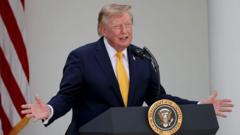
Mark Carney, a prominent figure in Canadian finance and former Governor of the Bank of England, has issued a strong rebuke against former U.S. President Donald Trump, accusing him of aiming to "destroy" Canada's vital automotive industry through the threat of increased vehicle tariffs. Carney, who also served as Canada's Minister of Finance from 2003 to 2006, articulated that any resumption of trade talks with the United States would be contingent upon the U.S. approaching negotiations with the "right attitude." This statement signals a significant escalation in the ongoing trade dispute between the two North American neighbours, carrying potentially profound implications for deeply integrated cross-border supply chains and broader economic stability.
Carney's forceful condemnation underscores deep-seated concerns within Canada regarding the potential economic repercussions of protectionist trade measures. The automotive sector represents a cornerstone of the Canadian economy, intricately woven into the fabric of the North American manufacturing landscape. The imposition of tariffs on vehicles could trigger substantial disruptions in production, inflate costs for consumers, and consequently lead to considerable job losses across the industry. This threat emerges at a time when the United States and Canada are already navigating a complex and often contentious trade relationship, particularly in the context of evolving economic policies and international trade agreements, such as the United States-Mexico-Canada Agreement (USMCA), which replaced NAFTA.
The dispute further highlights prevailing tensions in the global trade arena, where nationalistic economic strategies are increasingly being deployed by various nations. Carney's remarks suggest a hardening of Canada's negotiating position, indicating a clear reluctance to engage in discussions under what is perceived as duress or unfair pressure. The reference to the "right attitude" likely implies a demand for the U.S. to demonstrate a genuine willingness to engage in good-faith discussions that respect and acknowledge Canada's economic interests and the established international trade framework. The situation remains dynamic, with the potential for further retaliatory actions from Canada or diplomatic interventions aimed at de-escalating the conflict.
This trade conflict is not an isolated incident but rather reflects a broader global trend of rising protectionism, particularly evident in North America following shifts in U.S. trade policy under the Trump administration. The automotive industry, characterized by its complex and interdependent cross-border manufacturing processes, is exceptionally vulnerable to such trade disputes. The ultimate outcome of this trade war could have far-reaching consequences, influencing future investment decisions, consumer prices, and the overall global competitiveness of the North American automotive market. Canada's firm response, as articulated by Carney, signifies a resolute commitment to defending its economic interests against what it perceives as unfair and potentially damaging trade practices.
Original source — read the full reporting at the publisher:
Read on BBC World NewsGet the weekly AI digest
AI news + new model releases, weekly. Drafted by our agents, reviewed by humans.