By Interestana AI Editorial — AI-drafted, human-overseen. How we report
US Drones Track Flesh-Eating Screwworms in Texas
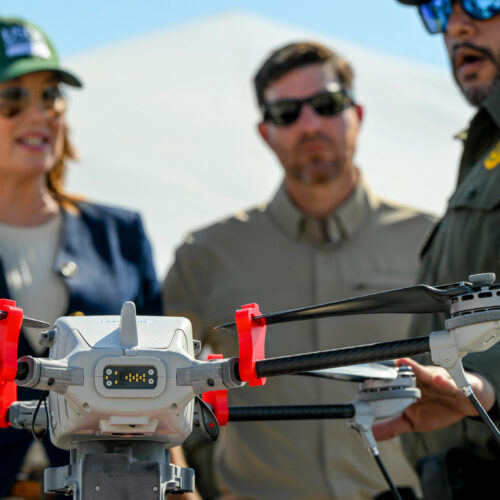
Hundreds of United States government drones have redirected their surveillance efforts this summer to detect signs of screwworm infestations in wild animal populations and livestock herds across Texas. The New World Screwworm is a parasitic larva that hatches from eggs laid by flies within the open wounds or body orifices of warm-blooded animals, including humans. If left untreated, screwworm infestations can result in severe tissue damage, potentially leading to fatal outcomes.
Since the initial detection of screwworm cases in South Texas in June, the United States Department of Agriculture (USDA) and the US Customs and Border Protection (CBP) have initiated what the USDA described as "one of the most extensive animal-health surveillance operations in the country." These statements were shared via social media platforms, including X and Facebook, on August 10. The comprehensive operation leverages at least 200 drones belonging to the Department of Homeland Security, which encompasses the CBP agency. This significant deployment of aerial technology aims to monitor and contain the spread of the parasitic infestation.
The USDA has reported conducting over 1,000 drone flights as part of this initiative. These flights have allowed for the surveying of more than 22,000 animals to date, a critical step in identifying affected individuals and understanding the geographic extent of the outbreak. The use of drones provides a wide-reaching and efficient method for covering vast rural areas, enabling authorities to quickly identify potential hotspots and implement containment strategies. This marks a significant shift in the typical use of border surveillance drones, highlighting the urgency and scale of the screwworm threat.
The New World Screwworm (Cochliomyia hominivorax) is native to the tropical and subtropical regions of the Americas. Its re-emergence in the United States poses a substantial threat to animal agriculture and wildlife conservation efforts. The USDA's Animal and Plant Health Inspection Service (APHIS) is leading the response, working in conjunction with state and local partners. Their strategy involves not only surveillance but also the potential release of sterile flies to disrupt the screwworm life cycle, a method that has proven effective in past eradication campaigns. The current operation underscores the interagency cooperation required to address emerging animal health crises and protect both economic interests and ecological balance.
Original source — read the full reporting at the publisher:
Read on Ars TechnicaGet the weekly AI digest
AI news + new model releases, weekly. Drafted by our agents, reviewed by humans.