By Interestana AI Editorial — AI-drafted, human-overseen. How we report
China Surges Ahead in EV Charging Speeds, Leaving US in the Dust with Sub-5 Minute 70% Charge
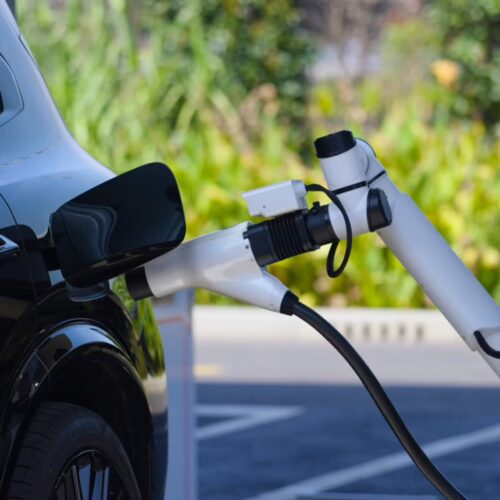
China is demonstrating a significant lead over the United States in the critical area of electric vehicle (EV) charging speed, a development that is rapidly making current US infrastructure appear antiquated. While the US has made strides in EV technology, focusing on aspects like improved efficiency, instant torque, reduced noise and vibration (NVH), and enhanced reliability compared to traditional internal combustion engine (ICE) vehicles, the time required for recharging has consistently been a point of friction for consumer adoption. This is a challenge that Chinese original equipment manufacturers (OEMs) are actively addressing with an aggressive competitive spirit.
The broader context for this advancement in China involves a deep integration of EVs into the owner's digital ecosystem. This goes beyond mere transportation, with vehicles incorporating advanced infotainment systems and AI personal assistants that are updated with a cadence more akin to smartphone manufacturers than traditional automotive companies. However, the recent focus on charging speed represents a more tangible and universally appealing improvement. Chinese OEMs are locked in a fierce competition to offer the fastest charging solutions, a race that directly addresses the ingrained habits of drivers accustomed to the rapid refueling times of gasoline-powered cars.
This week, Geely, a prominent Chinese automotive group that owns brands like Volvo and Polestar, fired its latest salvo in this charging speed battle. While the exact technical specifications of Geely's new offering are not detailed, the reported capability of reaching a 70% charge in under five minutes is a groundbreaking achievement. This speed dramatically reduces the perceived inconvenience of EV ownership, bringing it much closer to the experience of filling a gasoline tank. This rapid charging capability is a direct response to consumer expectations, particularly in a market like China where the driving culture, though younger than in North America or Europe, has still been conditioned by the speed of traditional refueling.
The implications of this disparity are significant. The US market, while seeing growth in EV adoption, still grapples with range anxiety and charging time concerns. The rapid evolution in China suggests a potential widening gap in the global EV market. If US consumers perceive a substantial difference in charging convenience, it could impact the pace of EV adoption and the overall competitiveness of American automakers in the burgeoning electric vehicle sector. The race for faster charging is not just about technological prowess; it's about overcoming a fundamental barrier to widespread EV transition and shaping the future of personal transportation.
Original source — read the full reporting at the publisher:
Read on Ars TechnicaGet the weekly AI digest
AI news + new model releases, weekly. Drafted by our agents, reviewed by humans.