By Interestana AI Editorial — AI-drafted, human-overseen. How we report
US and Iran Exchange Strikes Amid Strait of Hormuz Tensions
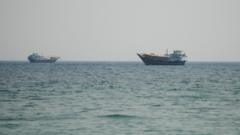
The United States and Iran engaged in a series of retaliatory strikes, significantly escalating tensions in the strategically vital Strait of Hormuz region. These exchanges followed fresh US attacks, prompting Iran to announce it had targeted US military bases located in Kuwait, Jordan, and Bahrain. The specific nature and impact of these strikes were not immediately detailed by either nation, but the actions signal a dangerous intensification of the ongoing conflict.
The Strait of Hormuz, a narrow waterway connecting the Persian Gulf to the open ocean, is a critical chokepoint for global oil shipments. Approximately 30% of the world's seaborne oil trade passes through this strait, making any disruption a significant concern for international energy markets and global economic stability. Both the US and Iran have previously threatened to disrupt shipping in the strait, and these recent actions raise fears of a wider conflict that could impact global supply chains.
This latest escalation comes amidst a period of heightened geopolitical instability in the Middle East. The region has been a focal point for international concern due to various ongoing conflicts and proxy wars. The direct exchange of fire between the US and Iran, even if limited in scope, represents a departure from previous indirect confrontations and increases the risk of miscalculation and unintended escalation. International bodies and regional powers are closely monitoring the situation, urging de-escalation and diplomatic solutions to prevent further instability.
Original source — read the full reporting at the publisher:
Read on BBC World NewsGet the weekly AI digest
AI news + new model releases, weekly. Drafted by our agents, reviewed by humans.