By Interestana AI Editorial — AI-drafted, human-overseen. How we report
US-China Trade Divided, Fast Food Connects Nations
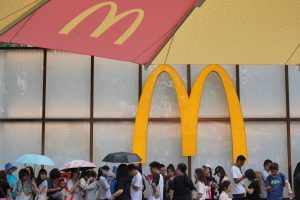
China and the United States, while deeply divided on issues ranging from tariffs and technology to geopolitical tensions surrounding Taiwan, are finding common ground through the expansion of fast-food businesses. American restaurant and beverage chains are experiencing rapid growth in China, driven by the nation's vast consumer base, which is four times the size of the U.S. population. Concurrently, Chinese fast-food companies are venturing into the U.S. market, capitalizing on the economic slowdown and intense competition within China. This reciprocal culinary exchange, involving American burgers and Chinese boba tea, is described by Yaling Jiang, founder of ApertureChina, as "gastrodiplomacy" that operates on both business and consumer levels. Jiang notes that in China, newly arrived American brands like Popeyes and Five Guys are perceived as a "guilty pleasure," while in the U.S., the evolving tastes of American consumers are creating opportunities for Chinese brands to act as cultural ambassadors. She further suggests that "consumerism builds a safe, introductory channel for contemporary Chinese culture and can be a great way to elevate China’s soft power." This trend of consumer-led cultural exchange offers a stark contrast to the often contentious political and economic dialogues between the two nations. Even at the highest levels, a shared appreciation for accessible food exists. While the White House had not disclosed the menu for a state dinner hosted by U.S. President Donald Trump for Chinese President Xi Jinping, both leaders have publicly demonstrated a fondness for less formal dining. In 2013, President Xi made a notable public visit to a Beijing steamed-bun restaurant, where he waited in line and ordered a 21-yuan ($3) meal. President Trump's affinity for fast food is well-documented, including his participation in a McDonald's fry station during his 2024 campaign. The expansion of American fast-food presence in China is substantial. Last month, Church's Texas Chicken opened its first location in Shanghai, attracting customers who lined up in the rain. The company has ambitious plans to open at least 600 additional locations across China. Similarly, Wendy's has indicated its intention to open 1,000 new restaurants in the country. This influx of American brands signifies a significant investment and a belief in the continued growth potential of the Chinese market, despite broader economic headwinds. The movement is not solely one-directional, as Chinese brands are also making inroads into the American market, creating a dynamic and evolving landscape of international fast-food presence.
Original source — read the full reporting at the publisher:
Read on FortuneGet the weekly AI digest
AI news + new model releases, weekly. Drafted by our agents, reviewed by humans.