By Interestana AI Editorial — AI-drafted, human-overseen. How we report
US North-West Faces Historic Wildfires and Toxic Smoke
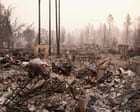
The US north-west, specifically Washington and Oregon, is experiencing a historic wildfire season characterized by extreme conditions that have fueled fast-moving fires and left the region enveloped in toxic smoke plumes. The danger is ongoing, with firefighters actively working to contain multiple blazes. In Spokane, Washington, the scale of devastation is starkly evident, with piles of twisted metal and ashen debris marking the sites of former suburban homes. A trio of fires on the eastern side of Washington state alone has consumed at least 846 structures, underscoring the severity of the current fire season. This event highlights a critical environmental challenge facing the Pacific north-west, a region increasingly vulnerable to severe wildfire activity. The fires have not only caused widespread destruction of property but have also created significant public health concerns due to the pervasive smoke. Air quality alerts have been issued across large areas, advising residents to stay indoors and limit outdoor activities. The long-term implications of such intense fire seasons are a growing concern for environmental scientists and local communities, pointing towards the need for enhanced wildfire prevention strategies and climate change adaptation measures. The current situation in the north-west is described as "unprecedented, dangerous territory," reflecting the severity and scale of the challenges. The fires are not isolated incidents but part of a broader trend of increasing wildfire intensity and frequency in western US states, often linked to hotter and drier conditions attributed to climate change. The economic impact is also substantial, with significant costs associated with firefighting efforts, property damage, and potential long-term effects on tourism and local economies. The resilience of communities in the face of such natural disasters is being tested, as they confront the immediate aftermath of destruction and the prospect of future threats. The ongoing efforts to combat these fires involve a coordinated response from local, state, and federal agencies, deploying significant resources and personnel to protect lives and property. The environmental consequences extend beyond immediate air quality issues, impacting ecosystems, wildlife habitats, and water resources. The long-term recovery process for the affected areas will likely be extensive, requiring sustained support and investment. The situation serves as a potent reminder of the escalating impacts of climate change and the urgent need for comprehensive strategies to mitigate risks and build resilience against extreme weather events.
Original source — read the full reporting at the publisher:
Read on The Guardian EnvironmentGet the weekly AI digest
AI news + new model releases, weekly. Drafted by our agents, reviewed by humans.