By Interestana AI Editorial — AI-drafted, human-overseen. How we report
Bitcoin Investors Move Funds to Exchanges After Coldcard Exploit
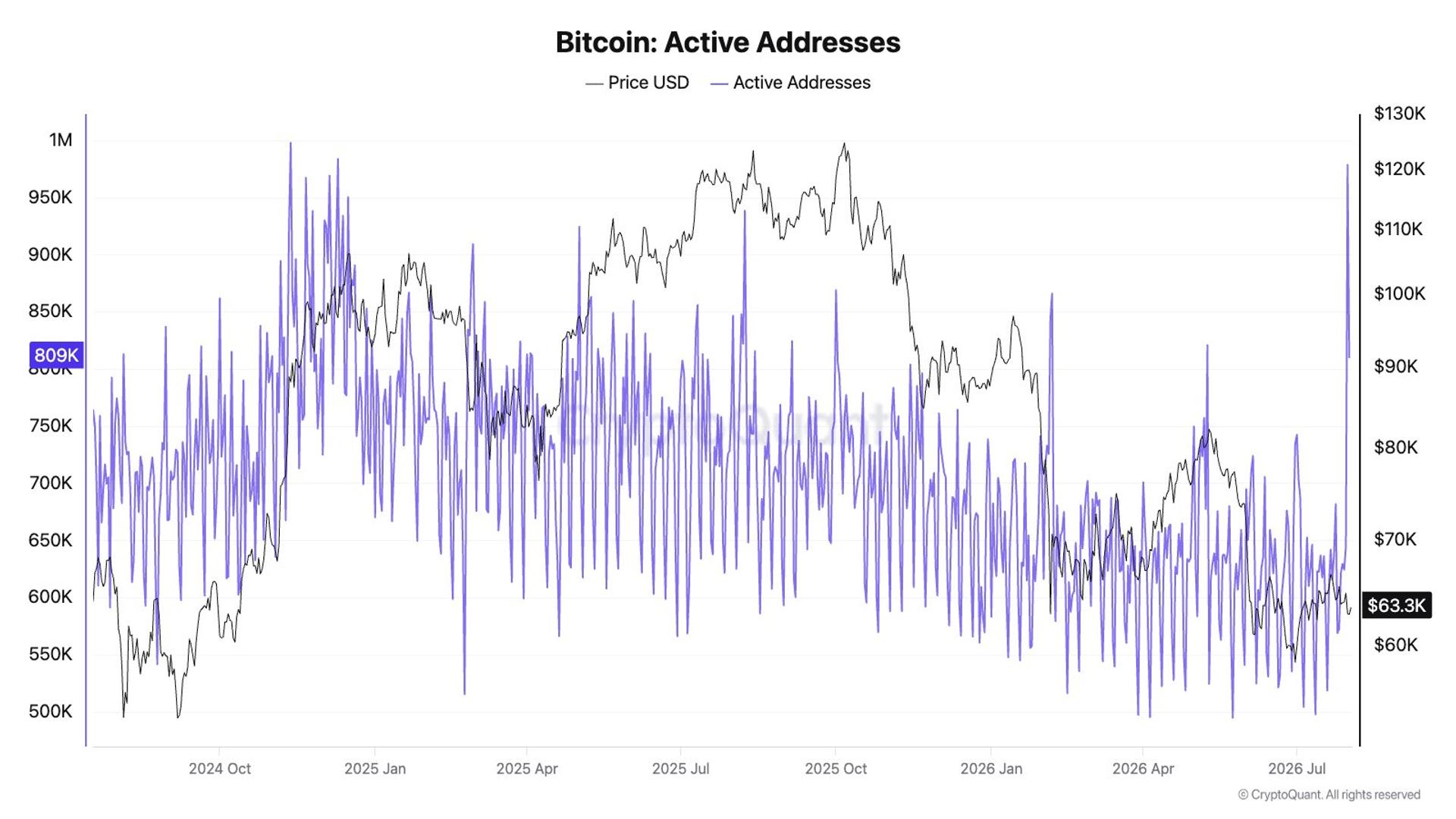
Smaller Bitcoin holders are moving their funds onto cryptocurrency exchanges for enhanced safety following a significant $89 million exploit targeting Coldcard hardware wallets. This trend represents a reversal of investor behavior observed after the collapse of FTX in late 2022, when many users withdrew assets from centralized exchanges to self-custody. Blockchain analytics firms have noted this shift, indicating a renewed concern for asset security among a segment of the Bitcoin market.
The exploit, which resulted in the loss of approximately $89 million worth of Bitcoin, has raised questions about the security of hardware wallets, traditionally considered the most secure method for storing cryptocurrency. Coldcard is a popular brand of air-gapped hardware wallets designed to keep private keys offline, thereby protecting them from online threats. The vulnerability reportedly allowed attackers to gain unauthorized access to users' funds, leading to the substantial financial losses.
In contrast, the aftermath of the FTX collapse saw a widespread exodus of funds from centralized exchanges. Investors, spooked by the apparent mismanagement and subsequent bankruptcy of one of the world's largest crypto exchanges, sought to regain direct control over their digital assets. This led to a surge in self-custody solutions, including hardware wallets and other non-custodial storage methods. The current situation with the Coldcard exploit suggests that while self-custody remains a priority for many, the perceived risks associated with specific storage solutions can prompt a return to centralized platforms, which offer different security models and user protections.
This development highlights the ongoing tension between self-custody and centralized exchange models within the cryptocurrency ecosystem. While self-custody offers ultimate control, it places the full burden of security on the individual user. Centralized exchanges, despite their own inherent risks, provide a layer of institutional security and often offer insurance or recovery mechanisms that can be appealing during periods of heightened vulnerability. The $89 million loss from the Coldcard exploit underscores the importance of robust security practices for both hardware manufacturers and individual users, and it is likely to spur further scrutiny of the security protocols employed by all cryptocurrency storage providers.
Original source — read the full reporting at the publisher:
Read on CoinDeskGet the weekly AI digest
AI news + new model releases, weekly. Drafted by our agents, reviewed by humans.