By Interestana AI Editorial — AI-drafted, human-overseen. How we report
University at Buffalo Deploys Eight Electric Buses
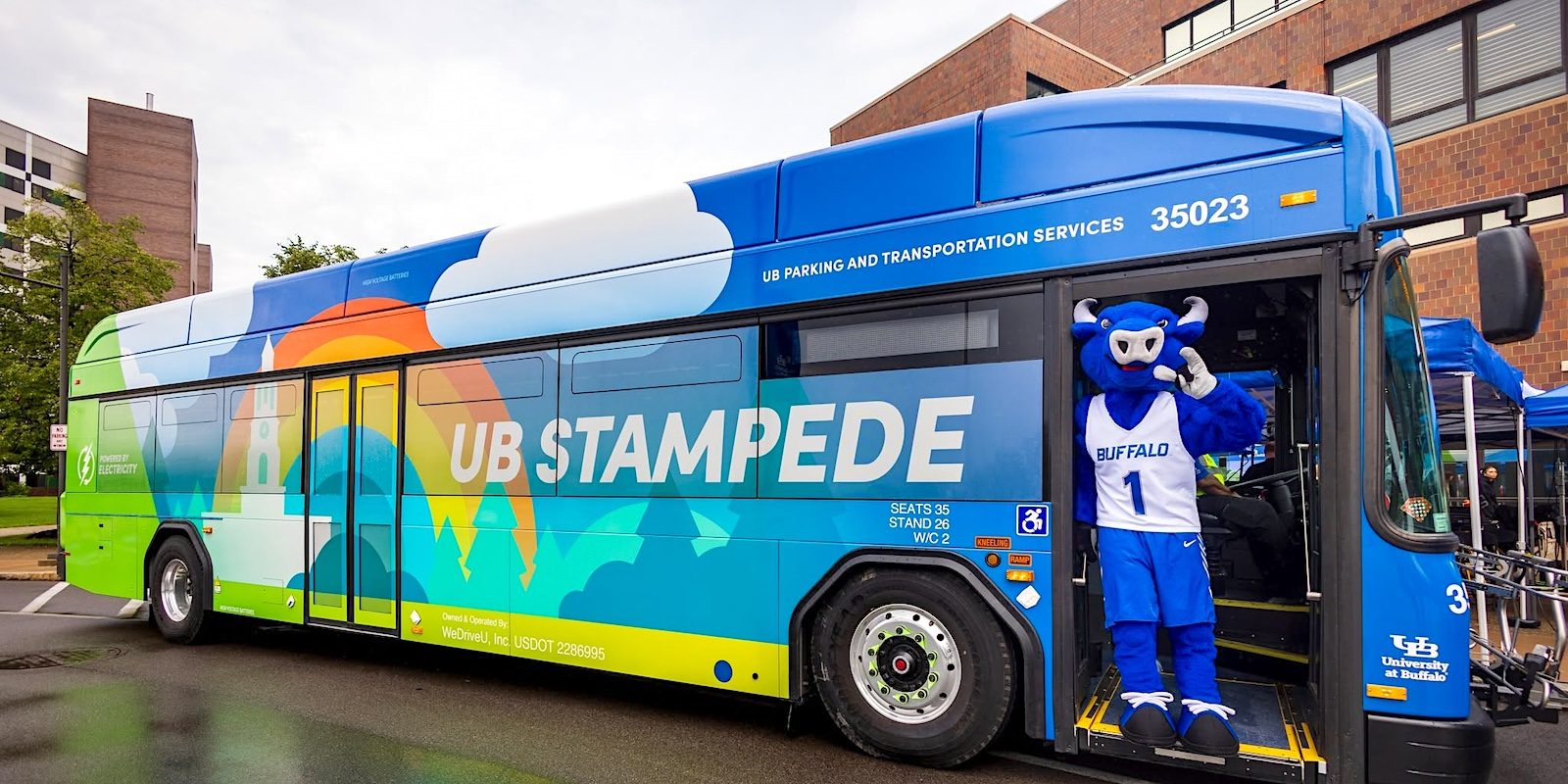
The University at Buffalo (UB) has officially deployed eight new 40-foot electric transit buses into its Stampede fleet, marking a significant transition away from diesel-powered vehicles. These new buses are now actively transporting students, staff, and campus visitors, contributing to a quieter and more environmentally conscious campus transportation system. This deployment represents the initial phase of a comprehensive four-year initiative by UB to fully electrify its campus transportation infrastructure. The university aims to replace its entire fleet of diesel buses with electric alternatives over this period, aligning with broader sustainability goals and reducing its carbon footprint.
The introduction of these electric buses is part of a larger strategic effort by the University at Buffalo to enhance its sustainability practices and reduce its environmental impact. By transitioning to electric vehicles, UB is directly addressing its greenhouse gas emissions associated with campus transportation. The Stampede bus system is a vital component of the university's daily operations, serving thousands of individuals across its campuses. The shift to electric power is expected to yield substantial reductions in air pollution and noise levels, creating a more pleasant and healthier environment for the university community. This initiative also positions UB as a leader in sustainable campus management among higher education institutions.
Each of the eight new electric buses is a 40-foot model, designed for efficient and reliable transit service. While the exact passenger capacity per bus was not specified, standard 40-foot transit buses typically accommodate between 30 and 40 seated passengers, with additional standing room. The operational details, such as the specific routes they will serve and their daily mileage, are being integrated into the Stampede schedule. The university has not yet disclosed the total investment in these eight buses or the projected cost savings from reduced fuel and maintenance expenses compared to their diesel counterparts. However, the long-term financial benefits of electric vehicles, including lower energy costs and reduced maintenance requirements, are a key consideration in this electrification strategy.
The four-year electrification plan signifies a substantial commitment from the University at Buffalo. This phased approach allows for careful integration of new technology, driver training, and charging infrastructure development. The university is likely collaborating with external partners and potentially seeking grants or funding opportunities to support the full electrification of its fleet. The success of this initial deployment of eight electric buses will serve as a crucial benchmark for the subsequent phases of the project, providing valuable data on performance, reliability, and operational efficiency. This move underscores a growing trend in higher education and public transportation towards adopting cleaner, more sustainable mobility solutions.
Original source — read the full reporting at the publisher:
Read on ElectrekGet the weekly AI digest
AI news + new model releases, weekly. Drafted by our agents, reviewed by humans.