By Interestana AI Editorial — AI-drafted, human-overseen. How we report
Universal Pictures Partners With Atari for 10 Game Film Adaptations
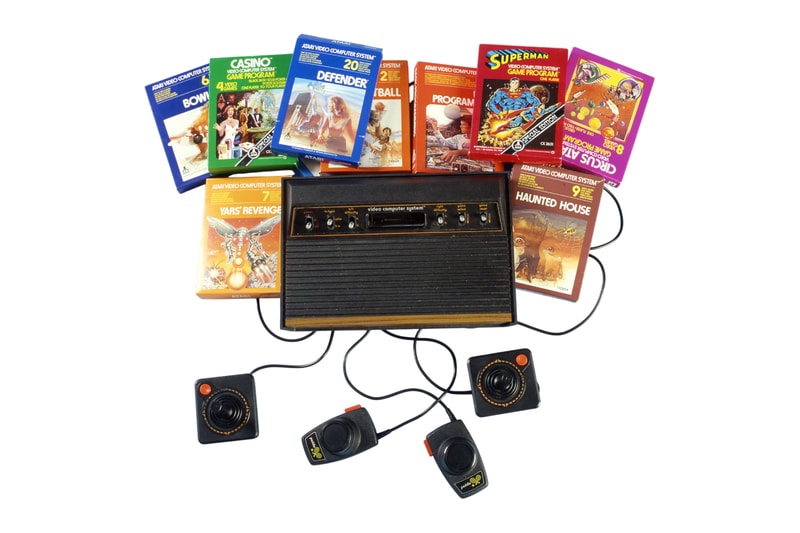
Universal Pictures has announced a new partnership with Atari and Entertainment 360 to develop feature films based on 10 iconic Atari video game properties. This collaboration aims to bring classic arcade and console titles to the big screen, leveraging the enduring appeal of these foundational interactive entertainment properties. The deal encompasses a slate of legendary games, including Pong, Asteroids, Centipede, Missile Command, Adventure, Berzerk, Breakout, Crystal Castles, Millipede, and Yars' Revenge.
This move signifies Hollywood's continued interest in adapting video game intellectual property for cinematic releases. While Universal previously acquired rights for an asteroid-themed adaptation in 2009, that project did not materialize. The current venture is already underway with an original spec script acquired by the studio, which centers on one of the ten classic titles. Writers Matt Reilly and Carl Hampe, who previously worked on high-profile action projects, are attached to this screenplay and will also serve as producers.
Guymon Casady of Entertainment 360 is leading the creative development for this new initiative. He emphasized the imaginative spirit of early gaming as the foundation for creating original, large-scale action adventures. Atari Chairman and CEO Wade Rosen also expressed enthusiasm for the partnership, highlighting the potential to translate the unique essence of these classic games into compelling cinematic experiences. The specific game that the initial spec script is based on has not yet been revealed.
Original source — read the full reporting at the publisher:
Read on HypebeastGet the weekly AI digest
AI news + new model releases, weekly. Drafted by our agents, reviewed by humans.