By Interestana AI Editorial — AI-drafted, human-overseen. How we report
United Airlines Bets on Smaller Planes for Long-Haul Routes
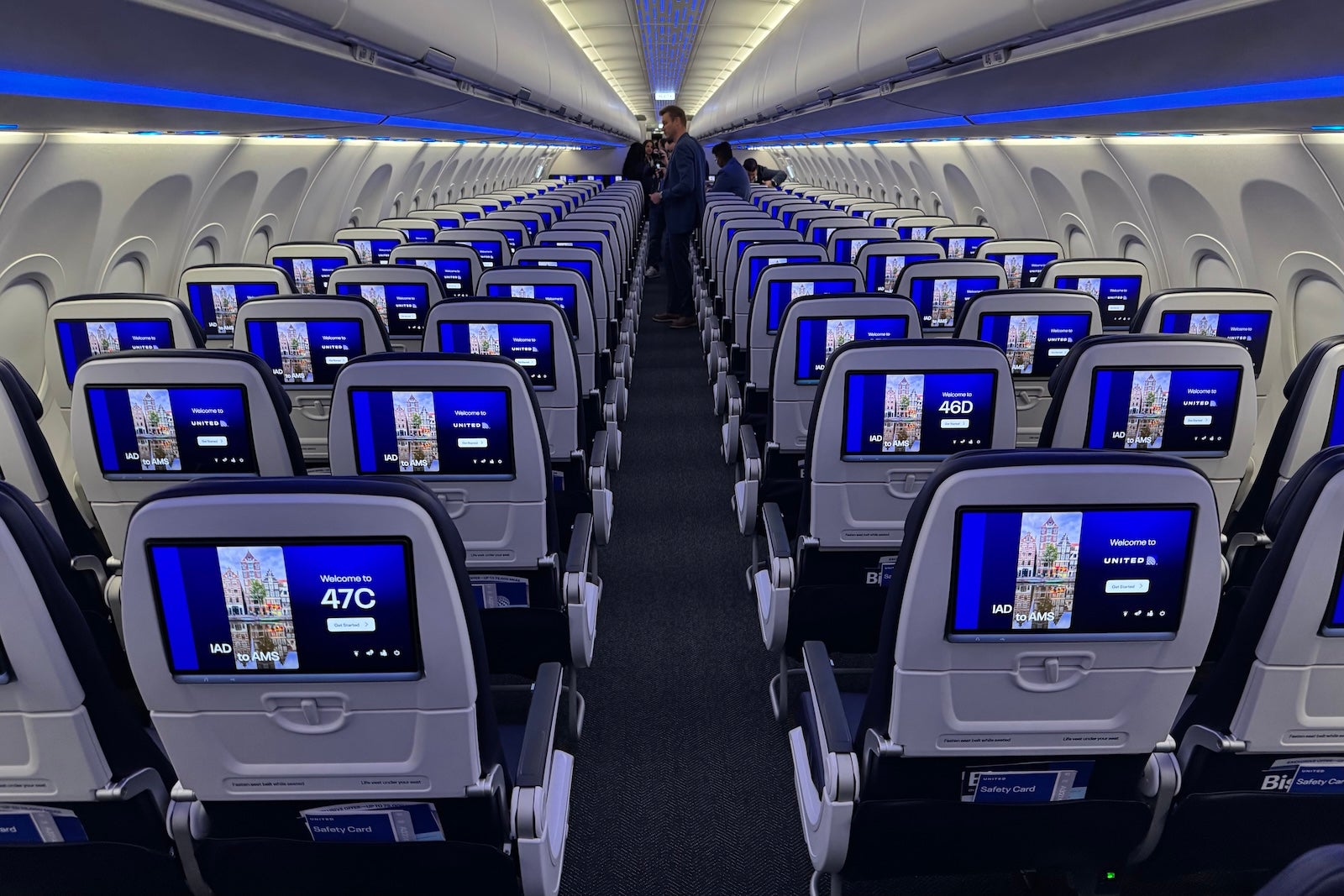
United Airlines is significantly altering its international route strategy by focusing on smaller, single-aisle aircraft for long-haul flights, a trend exemplified by its announcement of 10 new nonstop destinations launching next spring. These new routes will include cities such as Luxembourg, Slovenia, the Azores, and Sicily, many of which will be served by narrow-body planes rather than the larger wide-body jets like the Boeing 747 or Airbus A380 that were common 15 years ago. This strategic shift indicates United's belief that travelers increasingly prefer direct flights to less-trafficked destinations, even if the aircraft is smaller than what they might expect for intercontinental travel.
A key component of United's strategy involves deploying its new Airbus A321XLR aircraft, a single-aisle jet that has been outfitted with a premium international business-class cabin and premium economy seating. The airline has 50 of these A321XLR planes on order, signaling a substantial commitment to integrating this aircraft type into its long-term international network. Andrew Nocella, United's chief commercial officer, highlighted this unique approach, stating that no other U.S.-based carrier is investing in narrow-body aircraft with such a premium configuration for international routes. This move positions United to offer a differentiated product on routes where traditional carriers might deploy larger, less premium-focused aircraft.
This strategy stands in contrast to the approach taken by United's major competitor, Delta Air Lines. Delta's chief commercial officer, Joe Esposito, has expressed skepticism about the viability of using single-aisle planes for long-haul routes, describing it as "not the best product." Delta has maintained its commitment to utilizing larger aircraft for its international operations, suggesting a divergence in strategic priorities between the two carriers regarding fleet deployment and passenger experience on long-distance flights. The airline has repeatedly emphasized its preference for larger planes on its international network, indicating a clear preference for capacity and potentially different passenger comfort considerations on extended journeys.
The airline industry's fleet composition has evolved over the past two decades, with a gradual shift away from very large aircraft like the Boeing 747 towards more fuel-efficient and versatile models. United's embrace of the A321XLR for long-haul routes represents a modern interpretation of this trend, leveraging advancements in aircraft technology and cabin design to serve a wider range of markets more efficiently. By focusing on premium configurations within these smaller jets, United aims to capture a segment of the market that values direct access to secondary cities and a high-quality onboard experience, even on routes that might previously have been served only by larger, less specialized aircraft.
Original source — read the full reporting at the publisher:
Read on The Points GuyGet the weekly AI digest
AI news + new model releases, weekly. Drafted by our agents, reviewed by humans.