By Interestana AI Editorial — AI-drafted, human-overseen. How we report
California's Clean Car Rules: A Vital, Yet Vulnerable, Defense Against Weakened Federal Emissions Standards
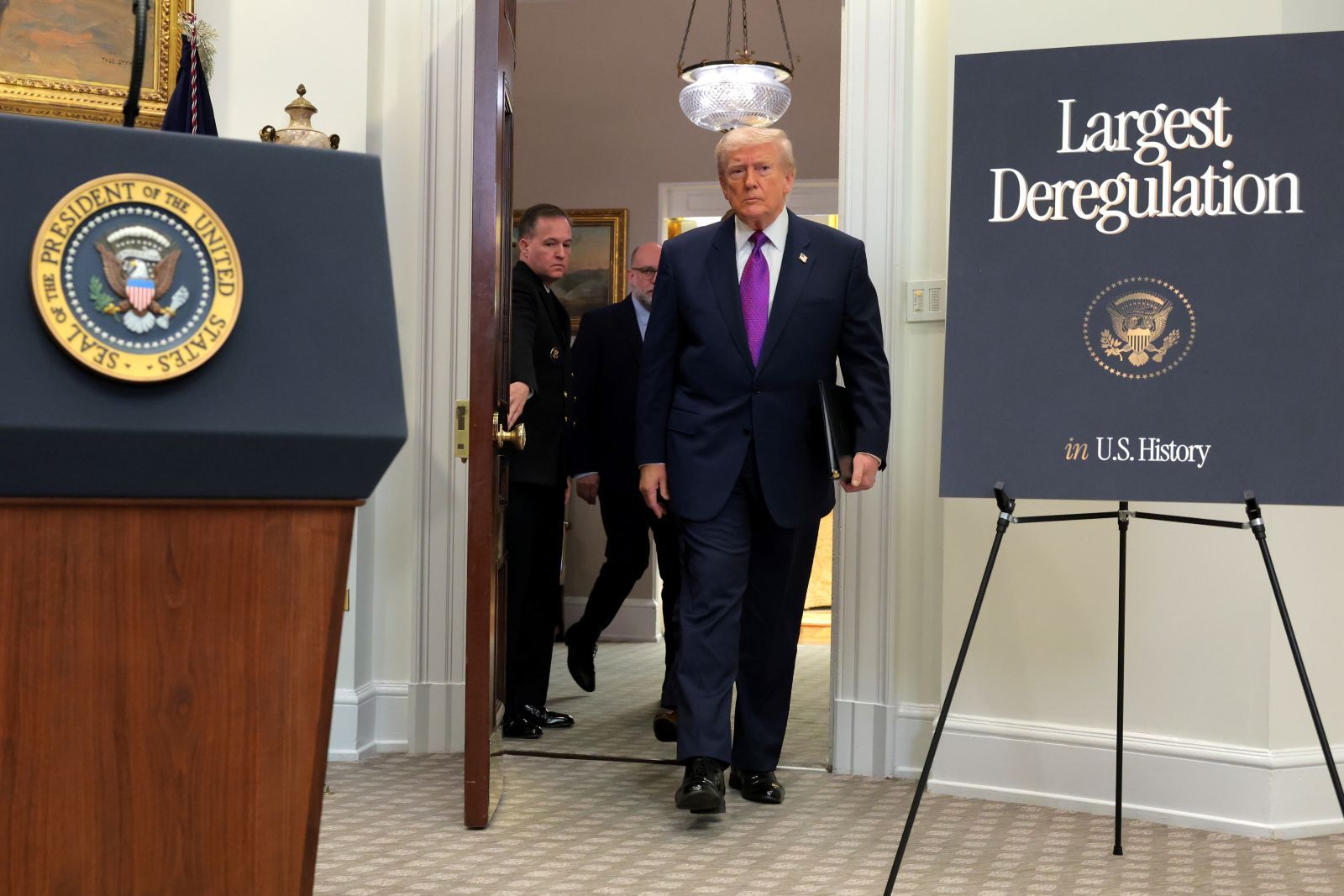
The Trump administration's finalization of a plan to ease federal fuel-efficiency requirements for cars marked a significant, albeit largely symbolic, step in dismantling federal regulation of greenhouse gas emissions from vehicles. This move was largely symbolic because Congress had previously eliminated the penalties automakers faced for violating these standards. Coupled with a broader pattern of reducing federal climate authority, these actions have left the U.S. federal government with virtually no meaningful policy governing carbon pollution from cars, which are responsible for approximately 16 percent of the nation's total greenhouse gas emissions. In this landscape of diminished federal oversight, California emerges as a crucial entity, wielding sufficient influence and regulatory authority to continue pushing car manufacturers toward greater fuel efficiency. The state's independent vehicle emissions rules remain in effect, establishing a de facto baseline for fuel efficiency that automakers cannot afford to fall below without risking penalties. The Trump administration has actively challenged California's long-standing authority to set its own emissions standards, a power rooted in a unique, half-century-old exemption. This exemption traces its origins back to the 1950s, a period when severe smog in Southern California prompted the state to develop its own vehicle emissions standards, predating the establishment of national standards through the Clean Air Act. Recognizing California's persistent air pollution challenges, Congress granted the state the unique authority to continue creating its own car emissions rules. While California's special authority does not permit it to directly mandate fuel efficiency, its emissions standards effectively achieve a similar outcome. For gasoline-powered vehicles, the reduction of greenhouse gas emissions is intrinsically linked to decreasing fuel consumption. Therefore, California's stringent emissions standards can have a profound impact, functioning much like federal fuel-efficiency standards, and vice versa. Despite facing federal challenges that have wounded its regulatory capacity, California's rules are not defeated and currently represent the most significant government policy governing vehicle emissions in the United States. These regulations compel automakers to invest in and produce more fuel-efficient vehicles, thereby mitigating their environmental impact and contributing to broader climate goals, even as federal oversight wanes.
Original source — read the full reporting at the publisher:
Read on GristGet the weekly AI digest
AI news + new model releases, weekly. Drafted by our agents, reviewed by humans.