By Interestana AI Editorial — AI-drafted, human-overseen. How we report
UN Climate Report Acknowledges Lost Chance to Prevent Worst Warming, Outlines New Strategy
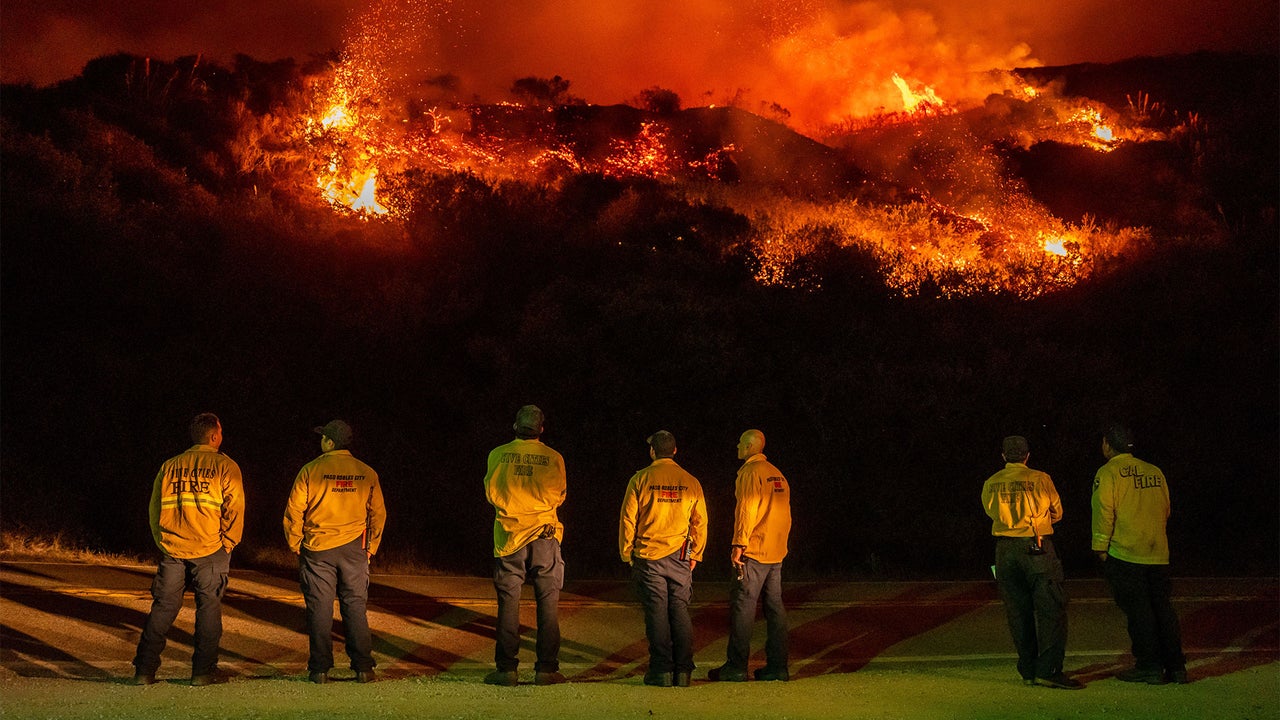
The United Nations Environment Programme (UNEP) has released a report described as "among the bleakest," acknowledging that humanity has lost the opportunity to prevent the most severe consequences of global warming. This landmark assessment signifies a strategic shift in the global fight against climate change, moving from solely aiming to prevent warming to focusing on limiting excessive temperature increases and subsequently reversing them. The report highlights that Earth is on track to exceed the 1.5 degrees Celsius (2.7 degrees Fahrenheit) warming threshold, a critical limit established by the 2015 Paris climate accord. This projected overshoot is attributed to the continued burning of fossil fuels, namely coal, oil, and gas. Scientists have calculated that the planet has already warmed by approximately 1.4 degrees Celsius (2.5 degrees Fahrenheit) above pre-industrial levels, a figure derived from a 20-year average to account for natural climate variability.
Instead of succumbing to despair, scientists and UN officials involved in the report propose a two-pronged strategy. The first, and most crucial, element is the drastic and immediate cessation of fossil fuel use. The second component involves the development and deployment of technologies capable of actively removing industrial carbon dioxide from the atmosphere. United Nations Secretary-General António Guterres underscored the gravity of the situation, stating, "Humanity is speeding past the limit to avoid climate catastrophe." The report's co-author, Richard Betts, a climate scientist at the University of Exeter, characterized the findings as a "reality check," emphasizing that "we have to live with this warmer world." However, he also stressed that significant actions can still be taken to "limit warming."
The 1.5 degrees Celsius target was a key outcome of studies commissioned by the UN's climate science arm following the Paris accord. These studies revealed that while 1.5 degrees Celsius of warming would still have significant impacts, the consequences at 2 degrees Celsius (3.8 degrees Fahrenheit) would be dramatically more severe and potentially irreversible for many ecosystems and human societies. The UNEP's latest findings underscore the urgent need for immediate and substantial global action. Even with the proposed new strategy, the report warns that the world must prepare for decades of intensified weather-related disasters, including more frequent and severe heatwaves, droughts, floods, and storms. Furthermore, rising sea levels due to melting ice sheets and glaciers will continue to threaten coastal communities, and a significant increase in species extinctions is anticipated. The report's release marks a critical juncture, signaling a necessary evolution in international climate policy from a purely preventative stance to one that integrates robust adaptation measures alongside aggressive mitigation efforts to address both current and projected warming.
Original source — read the full reporting at the publisher:
Read on Fast CompanyGet the weekly AI digest
AI news + new model releases, weekly. Drafted by our agents, reviewed by humans.