By Interestana AI Editorial — AI-drafted, human-overseen. How we report
Turkish Baths: Origins, Etiquette, and Modern Experience
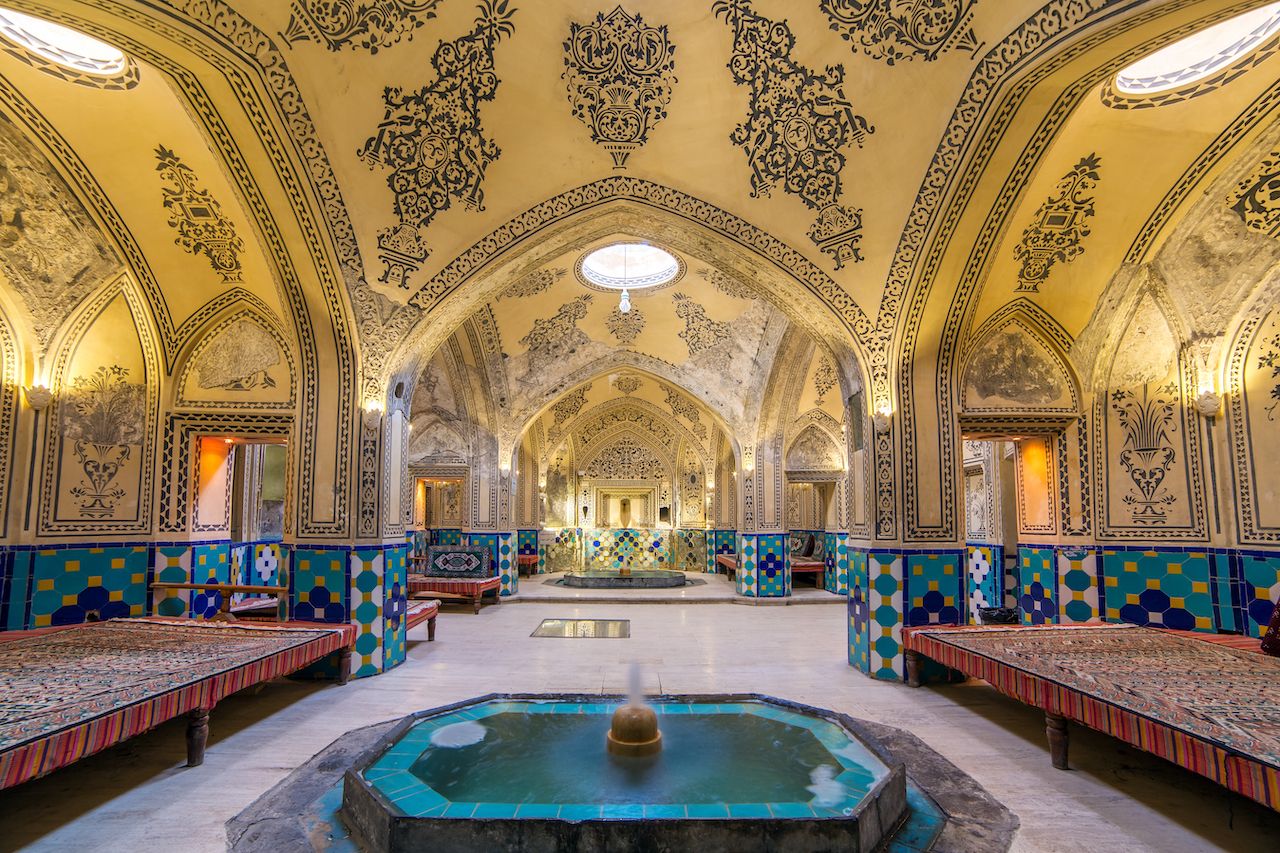
Turkish baths, also known as hammams, represent a centuries-old tradition of communal bathing with roots stretching back to the 14th century during the Ottoman Empire. These establishments were inspired by Roman bathing practices and served as vital centers for both hygiene and social interaction in urban areas, particularly before the widespread adoption of indoor plumbing. The practice also holds connections to Islamic traditions of cleansing before prayer, with many historical hammams located near mosques. While the term "Turkish bath" is commonly used, these bathing rituals are not exclusive to Turkey and can be found across the Middle East and Asia, including countries like Morocco, Syria, and India, with some historical examples also present in England.
Modern Turkish bath experiences typically involve segregated facilities for men and women, meaning individuals visiting with a partner of the opposite sex may need to plan to reunite afterward. The expected level of undress can vary between establishments. While some may provide thin, disposable underwear, visitors are generally permitted to wear a bathing suit if they are uncomfortable with less coverage. It is advisable to bring flip-flops for use in changing rooms and communal pool areas. Additionally, bringing a fresh set of clothes and personal toiletries is recommended for post-bath use. The process often involves moving through different temperature zones, including a warm steam room, a hot room, and a cooler relaxation area, culminating in a vigorous exfoliation and soap massage.
Navigating the etiquette of a Turkish bath is key to a comfortable experience. Tipping is customary, with a gratuity of 10-15% of the service cost being standard for the attendant who performs the scrubbing and massage. It is polite to tip the attendant directly after the services are rendered. Understanding the flow of the bath is also important; typically, one begins in a warm room to acclimate the body, then moves to a hotter area for deeper cleansing, followed by a cooling-down period. The exfoliation, often done with a kessa glove, removes dead skin cells, and the subsequent soap massage uses a large amount of lather to cleanse and soften the skin. The entire ritual is designed to promote relaxation, detoxification, and a profound sense of cleanliness.
While the core elements of the Turkish bath remain consistent, contemporary hammams may offer a range of additional services, such as aromatherapy, mud wraps, and specialized massages, catering to a broader spectrum of wellness desires. The enduring appeal of the Turkish bath lies in its combination of historical significance, therapeutic benefits, and its role as a communal space for relaxation and rejuvenation. It offers a unique cultural immersion and a deeply restorative experience that has captivated travelers for generations, providing a tangible link to ancient traditions of well-being and social connection.
Original source — read the full reporting at the publisher:
Read on Matador NetworkGet the weekly AI digest
AI news + new model releases, weekly. Drafted by our agents, reviewed by humans.