By Interestana AI Editorial — AI-drafted, human-overseen. How we report
UK Small Power Plants Face Cyber Risk Until 2030
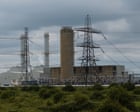
Hundreds of Britain's smallest power plants could continue to face elevated risk from state-sponsored cyber-attacks until the 2030s, despite a recent Iran-linked hack. Government measures designed to enhance the resilience of the energy sector are not scheduled for implementation until 2030, and the July breach has not prompted any acceleration of this timeline. Officials briefed energy company executives this week regarding the cyber incident. The attack, which is understood to have targeted an unnamed small gas power plant, resulted in a four-day operational shutdown last month. This event has served to heighten industry awareness of the escalating cyber threats directed at critical energy infrastructure.
The incident underscores a broader concern about the security of distributed energy resources, which often operate with less robust cybersecurity protocols than larger, more established power generation facilities. The reliance on interconnected systems and potentially outdated software in smaller plants can create vulnerabilities that state-sponsored actors may exploit. The UK government's National Cyber Security Centre (NCSC) has been investigating the breach, with initial assessments pointing towards a connection with Iranian state-sponsored groups. While the specific motivations behind the attack remain under investigation, potential objectives could include disrupting energy supply, gathering intelligence, or testing the resilience of UK infrastructure.
The timeline for implementing enhanced security measures, set for 2030, suggests a significant lag between the recognition of threats and the deployment of countermeasures. This delay is attributed to the complexity of upgrading infrastructure across a wide range of small operators and the need for comprehensive policy development and regulatory frameworks. The Department for Energy Security and Net Zero is reportedly working on a strategy to bolster cyber defenses, but its full impact is not expected for several years. In the interim, energy companies are being advised to review and strengthen their own internal cybersecurity practices, including regular software updates, employee training, and robust incident response plans.
The incident highlights the ongoing challenge of protecting critical national infrastructure from sophisticated cyber threats. The increasing digitalization of the energy sector, while offering efficiency benefits, also expands the attack surface for malicious actors. The UK government's commitment to improving cyber resilience is a long-term endeavor, but the immediate aftermath of the Iran-linked hack emphasizes the urgent need for vigilance and proactive security measures among all operators within the energy supply chain. The extended period of potential vulnerability until 2030 means that continued monitoring and adaptive security strategies will be crucial for safeguarding the nation's energy security.
Original source — read the full reporting at the publisher:
Read on The Guardian WorldGet the weekly AI digest
AI news + new model releases, weekly. Drafted by our agents, reviewed by humans.