By Interestana AI Editorial — AI-drafted, human-overseen. How we report
Ukrainian Director Slams EU for Cutting Venice Biennale Funds
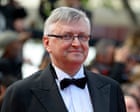
Acclaimed Ukrainian film-maker Sergei Loznitsa has strongly criticized the European Commission's decision to cut a €2 million grant to the Venice Biennale. This funding withdrawal stems from the Biennale's decision to allow Russia to open its national pavilion for the first time since the full-scale invasion of Ukraine in 2022. Loznitsa, speaking on the eve of the Venice film festival, likened the EU's action to "a punishment in kindergarten," expressing his dismay at the move. The Venice Biennale, a prestigious international art and architecture exhibition, faced significant backlash earlier in the spring when it was confirmed that Russia would be permitted to use its pavilion. This decision sparked protests and resignations from various artists and cultural figures who argued that allowing Russia to participate, even with a pavilion that was reportedly intended to be apolitical, was inappropriate given the ongoing conflict in Ukraine. The European Commission's subsequent decision to withhold the €2 million grant represents a significant financial blow to the Biennale, which relies on such funding for its operations and programming. Loznitsa's criticism highlights a division within the cultural and political spheres regarding how to engage with Russian state-sponsored cultural initiatives during the ongoing war. While some advocate for a complete boycott to isolate Russia, others, like the Biennale's organizers initially, may have sought to maintain a space for dialogue or artistic expression independent of political actions, a stance that has clearly proven controversial. The situation underscores the complex geopolitical considerations that now permeate international cultural exchanges, particularly in the context of the war in Ukraine. The €2 million grant represented a substantial portion of the funding allocated by the EU to support the Biennale's diverse international participation, and its removal is expected to have tangible effects on the scope and scale of the event. Loznitsa, known for his documentaries that often explore historical and political themes, including those related to Ukraine and Russia, views the EU's punitive measure as disproportionate and counterproductive. His comments suggest a belief that such actions do not effectively address the underlying political issues and instead penalize the cultural institution itself. The controversy surrounding Russia's pavilion and the subsequent funding cut are indicative of the broader international efforts to hold Russia accountable for its actions in Ukraine, extending even into the realm of arts and culture.
Original source — read the full reporting at the publisher:
Read on The Guardian WorldGet the weekly AI digest
AI news + new model releases, weekly. Drafted by our agents, reviewed by humans.