By Interestana AI Editorial — AI-drafted, human-overseen. How we report
Russia Nets Nuclear Submarines Against Ukrainian Drone Attacks
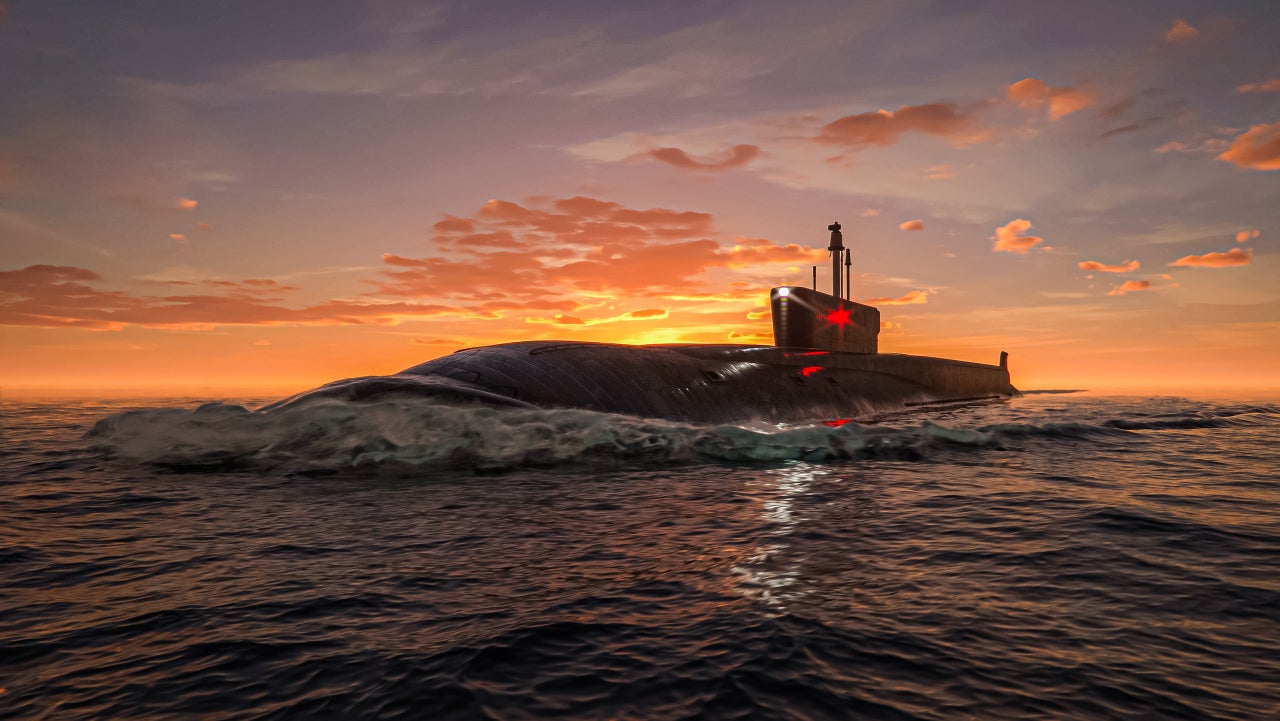
New satellite imagery has revealed that Russia is deploying netting to protect its nuclear submarines, including the Borei and Borei-A class ballistic missile submarines, at the Rybachiy facility on the Kamchatka Peninsula. This defensive measure is a direct response to persistent Ukrainian drone attacks that have demonstrated the capability to strike a wide range of Russian military assets. The netting is also being used at Novorossiysk on the Black Sea, where parts of Kilo-class attack submarines are covered by metal cages. These actions underscore the increasing effectiveness of Ukrainian unmanned systems and the vulnerability of even Russia's most critical naval assets.
The deployment of netting signifies a significant escalation in the defensive strategies employed by Russia, acknowledging that its conventional air defenses are insufficient against the volume and sophistication of Ukrainian drone assaults. This tactic represents a low-tech solution to a high-tech threat, highlighting Russia's struggle to counter Ukraine's innovative approach to warfare. Ukraine has established itself as a leader in drone technology, notably creating the world's first dedicated Unmanned Systems Forces branch, which has been instrumental in developing and executing complex drone operations.
Recent Ukrainian operations demonstrate the reach and impact of its drone capabilities. On June 1, 2025, Ukraine executed Operation Spider's Web, launching 117 short-range drones from within Russian territory to strike multiple Russian Aerospace Forces' bombers, a key component of Russia's nuclear triad. Further demonstrating its long-range strike potential, on June 3, 2026, Ukrainian drones traveled approximately 620 miles to hit the Kronstadt naval facility near St. Petersburg. During this attack, the corvette Boikiy was struck and set ablaze while in dry dock, and secondary drone groups targeted the 15th Arsenal munitions warehouses in Lebyazhye. President Volodymyr Zelenskyy confirmed these strikes, noting the drones covered a distance of about 1,000 kilometers to the St. Petersburg region, targeting naval arsenals and a base in Kronstadt.
The campaign against Russia's Black Sea Fleet has been ongoing, with missiles, air, and sea drones repeatedly hitting Russian Navy ships and their bases. The most recent reported attack occurred on August 12. The necessity for Russia to resort to netting for its nuclear submarines indicates a strategic shift, acknowledging its inability to intercept all incoming drone threats and the imperative to protect its strategic deterrent forces. This situation reflects a broader trend where Ukraine's technological ingenuity is forcing Russia to adapt its defenses in increasingly unconventional ways, even for its most vital military assets.
Original source — read the full reporting at the publisher:
Read on Fast CompanyGet the weekly AI digest
AI news + new model releases, weekly. Drafted by our agents, reviewed by humans.