By Interestana AI Editorial — AI-drafted, human-overseen. How we report
Ukraine Prosecutor General Resigns Amid Corruption Allegations; Russia Resumes Kyiv Strikes
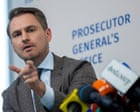
Ukraine's Prosecutor General, Ruslan Kravchenko, has resigned from his position on September 8, 2026, following a period of intense scrutiny that included searches of his offices over the preceding weekend. This significant development within Ukraine's justice system occurs concurrently with Russia's resumption of military strikes targeting the capital city, Kyiv. The renewed aerial assaults by Moscow follow a discernible pause in hostilities that had been observed during a period of purported peace talks, suggesting a potential shift in the conflict's dynamics or a deliberate tactic by Russia.
Kravchenko's departure is particularly noteworthy given Ukraine's ongoing efforts to combat corruption, a critical issue for both domestic stability and its aspirations for closer integration with the European Union. The searches of his offices indicate that serious allegations were under investigation by Ukrainian authorities, though the precise nature and scope of these accusations have not been fully detailed. The Ukrainian government has been under considerable pressure from international partners and its own citizens to demonstrate tangible progress in rooting out corruption, which is seen as a fundamental prerequisite for democratic governance and economic recovery.
In a separate but geopolitically significant event, Ursula von der Leyen, the President of the European Commission, has strongly condemned the presence of senior Serbian officials at the funeral of Ratko Mladić. Mladić, a convicted Bosnian Serb war criminal who died the previous week, was laid to rest with military honors in a ceremony attended by tens of thousands of mourners and officiated by Porfirije, the patriarch of the Serbian Orthodox Church. Von der Leyen characterized the attendance of Serbian officials as a "failure to confront a dark chapter in Europe’s recent history" and explicitly questioned Serbia's commitment to aligning with European Union values and policies. This public rebuke from the head of the EU's executive branch highlights the complex and often sensitive geopolitical landscape of the Western Balkans and its direct implications for regional stability and the EU's enlargement agenda.
The resumption of Russian strikes on Kyiv, after a period of relative calm that coincided with diplomatic overtures, carries significant implications. It could signal an escalation of the conflict, a breakdown in communication channels, or a strategic recalibration by Russia. The dual focus on internal governance issues within Ukraine, such as the high-profile resignation of its chief prosecutor amid corruption probes, and external geopolitical tensions, exemplified by the European Commission's strong stance on the Mladić funeral, underscores the multifaceted challenges confronting Ukraine and the broader European continent.
Original source — read the full reporting at the publisher:
Read on The Guardian WorldGet the weekly AI digest
AI news + new model releases, weekly. Drafted by our agents, reviewed by humans.