By Interestana AI Editorial — AI-drafted, human-overseen. How we report
Ukraine Strikes Two Russian Oil Refineries
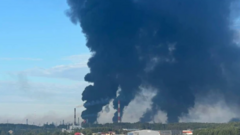
Ukraine launched drone attacks on two oil refineries located deep within Russian territory, specifically targeting facilities in Ryazan and Krasnodar. The strikes, which occurred on March 12, 2024, are part of a broader Ukrainian strategy to degrade Russia's economic capacity to fund its ongoing invasion. Ukrainian President Volodymyr Zelenskyy stated that these attacks are designed to limit the revenues Russia "used to finance" its war efforts. The Ryazan refinery, operated by Rosneft, is one of Russia's largest, with a processing capacity of approximately 17 million tons of crude oil per year. The Krasnodar refinery, owned by Slavneft, also represents a significant component of Russia's oil processing infrastructure. These attacks represent a significant escalation in Ukraine's long-range strike capabilities, demonstrating an ability to reach critical energy infrastructure far from the front lines. Prior to these strikes, Ukraine had primarily focused its drone attacks on border regions and military targets within occupied territories. The targeting of major oil refineries is intended to inflict economic damage on Russia by reducing its oil production and export revenues, thereby impacting its ability to sustain military operations. The Russian energy sector is a primary source of income for the Russian government, and disruptions to its refining capacity can have substantial economic consequences. The effectiveness of these strikes in terms of actual production downtime and financial impact will be closely monitored. Analysts suggest that such attacks could force Russia to divert resources towards enhancing its domestic air defense systems, potentially impacting its military deployments elsewhere. The Ryazan refinery, located approximately 200 kilometers (124 miles) southeast of Moscow, and the Krasnodar facility, situated in southern Russia, underscore Ukraine's growing reach. The Ukrainian intelligence services have been credited with planning and executing these operations, which aim to create a "war tax" on Russia's oil industry. The success of these strikes could encourage further similar operations, potentially leading to increased volatility in global energy markets. The Ukrainian government has consistently emphasized its right to strike military and economic targets within Russia that directly contribute to the war effort. These attacks are seen as a strategic move to counter Russia's offensive capabilities by degrading its financial and logistical support systems. The international community continues to observe the evolving nature of the conflict, with a particular focus on Ukraine's asymmetric warfare tactics and their impact on Russia's war economy. The long-term implications of these refinery strikes are expected to include increased security measures by Russia and a potential reassessment of its energy sector vulnerabilities.
Original source — read the full reporting at the publisher:
Read on BBC World NewsGet the weekly AI digest
AI news + new model releases, weekly. Drafted by our agents, reviewed by humans.