By Interestana AI Editorial — AI-drafted, human-overseen. How we report
Ukraine Drone Strike Kills 13 at Russian Oil Refinery
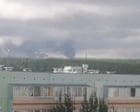
A significant Ukrainian drone strike targeted the Taneko oil refinery in Nizhnekamsk, Russia, resulting in the deaths of at least 13 individuals, according to local authorities. This attack, occurring approximately 1,200 kilometers (750 miles) from the Ukrainian border, represents one of the deadliest strikes launched by Kyiv as it intensifies its campaign against Russian economic infrastructure. The Ukrainian general staff stated that the raid was part of an ongoing effort to diminish the "military potential of the Russian aggressor." Online footage purportedly showed smoke emanating from the refinery following the incident. The Taneko refinery, located in the industrial city of Nizhnekamsk, is a major producer of petrochemical products, including polypropylene and ethylene, and is considered one of Russia's largest oil refining and petrochemical complexes. Its operations are crucial for the regional economy and contribute significantly to Russia's overall energy output. This strike underscores Ukraine's increasing capability to project force deep into Russian territory, targeting strategic assets far from the active combat zones. The Ukrainian drone campaign aims to disrupt Russia's ability to fund its military operations by impacting its oil and gas sector, a cornerstone of the Russian economy. Previous Ukrainian drone attacks have targeted oil depots and refineries closer to the border, but this incident marks a notable escalation in the range and impact of these operations. The effectiveness of such strikes in significantly degrading Russia's military-industrial complex remains a subject of ongoing analysis, but the psychological and economic impact is considerable. The targeting of critical energy infrastructure highlights a strategic shift in Ukraine's defensive posture, moving beyond purely defensive operations to offensive actions designed to inflict sustained damage on the aggressor's capacity to wage war. The international community continues to monitor these developments closely, with implications for global energy markets and the broader geopolitical landscape. The specific types of drones used in the attack have not been officially disclosed by either side, but reports suggest Ukraine has been developing and deploying a range of unmanned aerial vehicles capable of long-range reconnaissance and strike missions. The incident also raises questions about Russia's air defense capabilities in its interior regions, particularly against sophisticated drone swarms or individual long-range strike platforms. The economic repercussions for Russia could be substantial, not only through direct damage to refining capacity but also through potential impacts on export revenues and investor confidence in the energy sector. The Taneko refinery is operated by TAIF-NK, a subsidiary of TAIF Group, a major Russian petrochemical and energy conglomerate. The group's activities span oil refining, gas processing, and the production of various chemical products. The scale of the damage and the duration of any potential shutdown at the refinery will be critical factors in assessing the immediate economic impact of this attack.
Original source — read the full reporting at the publisher:
Read on The Guardian WorldGet the weekly AI digest
AI news + new model releases, weekly. Drafted by our agents, reviewed by humans.