By Interestana AI Editorial — AI-drafted, human-overseen. How we report
UK Imports Fruit From Climate-Stressed Nations
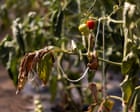
The United Kingdom faces significant risks of food price shocks and supply disruptions because it imports a substantial portion of its fruits and vegetables from countries that are themselves highly vulnerable to the impacts of the climate crisis, according to a new report. This reliance on imports from heat-stressed nations creates a precarious situation, as these exporting countries are also experiencing adverse effects from climate change, potentially impacting their ability to consistently supply produce to the UK. The report, authored by the Food Foundation, sounds an alarm over these growing supply chain risks.
This analysis comes at a time when the UK itself has endured a challenging year for domestic agriculture. The nation has experienced a record five heatwaves during the current year, coupled with periods of drought and wildfires. These extreme weather conditions have directly impacted domestic crop yields, damaging produce and reducing the overall output of fruits and vegetables grown within the UK. Consequently, the UK has seen a rise in the importation of vegetables and fruits precisely when its own crops are suffering from similar heat and drought conditions, exacerbating the potential for price increases and scarcity.
The Food Foundation's findings underscore a critical vulnerability in the UK's food security strategy. Approximately 40% of Britain's total food supply is currently imported, a figure that includes a significant volume of fresh produce. By sourcing these essential food items from regions already grappling with severe climate impacts such as extreme heat, water scarcity, and unpredictable weather patterns, the UK is indirectly importing its own climate-related risks. This dependency means that climate events occurring in distant exporting nations can have a direct and immediate effect on the availability and cost of food for British consumers.
The report implicitly calls for a re-evaluation of the UK's food sourcing policies, suggesting that greater emphasis should be placed on domestic production where feasible, and on diversifying import sources to mitigate risks associated with climate change. The interconnectedness of global food systems means that climate resilience is not just a national concern but a global imperative, with nations like the UK needing to consider the climate vulnerability of their entire supply chain. The current reliance on imports from countries facing similar or worse climate challenges than the UK itself presents a clear and present danger to food price stability and availability.
Original source — read the full reporting at the publisher:
Read on The Guardian WorldGet the weekly AI digest
AI news + new model releases, weekly. Drafted by our agents, reviewed by humans.