By Interestana AI Editorial — AI-drafted, human-overseen. How we report
UK Plastic Waste Pollutes Turkish Farming Heartland
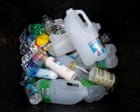
A Guardian investigation has revealed that plastic waste exported from the United Kingdom is contaminating irrigation canals and agricultural fields in Turkey's Çukurova plain, a region vital for the country's food production. High levels of microplastics and other plastic pollutants were detected in a waterway near a significant recycling hub in Adana, a southern Turkish city that receives plastic waste from British companies. This polluted water, which overflows into farmland during heavy rainfall, ultimately feeds into a larger canal system used to irrigate crops across the Çukurova plain, one of Turkey's most extensive and fertile agricultural basins. The findings highlight a practice often described as 'waste colonialism,' where developed nations export their waste to countries with less stringent environmental regulations, shifting the burden of pollution and disposal.
The investigation points to a specific waterway that serves as a conduit for this contamination. This canal's proximity to a major recycling facility underscores the direct link between the processing of imported waste and the environmental degradation observed. The Çukurova plain is a critical agricultural area, producing a significant portion of Turkey's food supply. The introduction of microplastics and other plastic contaminants into the irrigation system poses a direct threat to crop health, soil quality, and potentially the food chain. The long-term ecological and health implications of such widespread plastic pollution in an agricultural heartland are a growing concern.
This situation is not isolated to Adana; Turkey has become a primary destination for plastic waste exported from European countries, including the UK, due to its established recycling infrastructure and lower processing costs. However, the volume of waste often overwhelms these facilities, leading to improper disposal and environmental leakage. Reports from environmental groups and local communities have previously raised alarms about the impact of these imports on local ecosystems and public health. The Guardian's findings provide concrete evidence of the direct environmental consequences, specifically detailing the contamination of a vital water source for agriculture. The investigation implicitly questions the sustainability and ethical implications of current waste management practices that rely on exporting environmental problems.
The contamination of the Çukurova plain's irrigation system with microplastics from UK waste signifies a failure in waste management and international environmental responsibility. The presence of these pollutants in a region crucial for food security raises questions about the safety of agricultural produce and the long-term viability of farming in the affected areas. Environmental advocates are calling for stricter regulations on waste exports and greater accountability from countries and companies involved in the international plastic waste trade. The findings underscore the need for more robust waste reduction strategies and circular economy models within the UK and other developed nations to mitigate the environmental impact of their consumption patterns on developing countries.
Original source — read the full reporting at the publisher:
Read on The Guardian EnvironmentGet the weekly AI digest
AI news + new model releases, weekly. Drafted by our agents, reviewed by humans.