By Interestana AI Editorial — AI-drafted, human-overseen. How we report
Google Maps Displays Live UK Fuel Prices
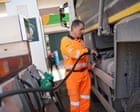
Google Maps began displaying live fuel prices for UK motorists on October 8, 2026, enabling drivers to locate the cheapest petrol and diesel by searching for local forecourts within the Google app. This feature is anticipated to foster greater transparency in pump pricing and stimulate competition within the fuel market, particularly following a period where diesel prices reached a record high of £2 per litre. Campaigners have described this integration as a potentially significant advancement in achieving fairer fuel pricing for consumers.
The introduction of live fuel price data on Google Maps allows millions of drivers to actively compare costs across different service stations. By simply searching for a nearby forecourt, users can access up-to-the-minute pricing information, empowering them to make more informed purchasing decisions. This functionality is expected to drive competition among fuel retailers, as consumers are more likely to patronize stations offering lower prices. The move aligns with broader efforts to enhance consumer awareness and control over essential household expenses, with fuel costs being a significant concern for many.
This development arrives at a critical juncture for UK motorists, who have been contending with volatile and historically high fuel costs. The record price of £2 per litre for diesel underscored the financial strain placed upon individuals and businesses reliant on road transport. By providing readily accessible price comparisons, Google Maps aims to mitigate some of this pressure and encourage a more competitive pricing environment. The platform's extensive user base suggests that this feature could have a substantial impact on consumer behaviour and fuel market dynamics.
While the specific technical mechanisms for data aggregation were not detailed, the service relies on forecourts providing their current pricing information. This initiative is part of Google's ongoing efforts to integrate practical, real-world information into its mapping services, enhancing their utility for everyday tasks. The expectation is that increased visibility of prices will lead to more competitive offerings from fuel stations, ultimately benefiting the consumer through lower costs. The long-term effects on the UK fuel retail sector are likely to be closely monitored, with potential implications for pricing strategies and market share.
Original source — read the full reporting at the publisher:
Read on The Guardian WorldGet the weekly AI digest
AI news + new model releases, weekly. Drafted by our agents, reviewed by humans.