By Interestana AI Editorial — AI-drafted, human-overseen. How we report
Uganda Launches Food Aid After 19 Hunger Deaths
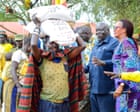
Uganda commenced emergency food relief distribution on July 27, 2026, in response to a severe food crisis in the Karamoja region, where at least 19 individuals have died from hunger. The crisis has been exacerbated by prolonged drought and subsequent crop failures, leaving an estimated 1.5 million people in the region facing acute food shortages and rising levels of malnutrition. The government's intervention aims to alleviate the immediate suffering and prevent further loss of life in an area that has been grappling with insufficient rainfall for an extended period, impacting agricultural yields critical for the local population's sustenance. The distribution of food aid is a direct measure to address the critical humanitarian situation that has developed over several months. The affected region, Karamoja, is situated in the eastern part of Uganda and has been particularly vulnerable to climate-related shocks. The failure of seasonal rains has disrupted the agricultural cycle, which is the primary source of livelihood and food security for the majority of its inhabitants. This has led to a significant decline in available food supplies, pushing many households into severe food insecurity. Malnutrition rates have consequently surged, posing a grave threat to vulnerable populations, including children and the elderly. The reported deaths underscore the urgency of the situation and the critical need for immediate humanitarian assistance. The government's decision to launch emergency handouts signifies the severity of the crisis, which has been escalating over the past few months as the drought persisted and its effects on food production became more pronounced. The scale of the problem, affecting 1.5 million people, highlights the significant logistical and resource challenges involved in providing adequate relief to the entire affected population. The intervention is expected to provide essential food supplies to those most in need, aiming to stabilize the food security situation and mitigate the health impacts of malnutrition. The long-term implications of the drought and crop failures also raise concerns about the region's recovery and future food security, potentially requiring sustained support and development initiatives beyond immediate relief efforts. The situation in Karamoja serves as a stark reminder of the vulnerability of certain regions to climate change and the critical importance of robust disaster preparedness and response mechanisms. The government's action is a crucial step in addressing the immediate humanitarian imperative, with the hope of averting further tragedy and supporting the affected communities through this difficult period. The ongoing efforts will likely involve coordination between various government agencies, humanitarian organizations, and local authorities to ensure efficient and equitable distribution of aid.
Original source — read the full reporting at the publisher:
Read on The Guardian WorldGet the weekly AI digest
AI news + new model releases, weekly. Drafted by our agents, reviewed by humans.