By Interestana AI Editorial — AI-drafted, human-overseen. How we report
UEFA Drops Boycott Threat, Pursues Infantino Ouster
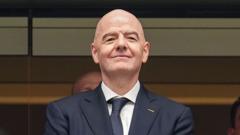
The Union of European Football Associations (UEFA) announced on Wednesday that it has ceased its plans to boycott FIFA tournaments. This decision marks a significant shift in the ongoing dispute between the European football governing body and the world football's governing body. Despite dropping the boycott threat, UEFA has affirmed its commitment to pursuing the removal of Gianni Infantino, the current president of FIFA. The organization intends to continue its efforts through other available channels to achieve this objective.
UEFA's initial threat to boycott FIFA tournaments was a strong stance taken in response to perceived governance issues and a lack of transparency within FIFA under Infantino's leadership. The boycott was intended to exert considerable pressure on FIFA and its president, highlighting the significant influence and financial contribution of European football to the global game. The decision to abandon this specific tactic suggests a strategic reassessment by UEFA, possibly in light of potential repercussions or a belief that alternative methods may prove more effective in achieving their ultimate goal of leadership change at FIFA.
Gianni Infantino, a Swiss-Italian lawyer, has been the president of FIFA since February 26, 2016. His tenure has been marked by various controversies and criticisms regarding FIFA's internal operations, financial dealings, and decision-making processes. UEFA, representing 55 national football associations, has been a vocal critic, advocating for reforms and greater accountability. The specific reasons for UEFA's continued push to remove Infantino, beyond general governance concerns, have not been fully detailed in this announcement, but they likely stem from ongoing disagreements over FIFA's strategic direction and management.
The move by UEFA to drop the boycott but persist with efforts to oust Infantino indicates a complex political landscape within international football. It suggests that while direct confrontation through tournament boycotts is no longer the chosen path, the underlying dissatisfaction with FIFA's leadership remains potent. The focus now shifts to how UEFA plans to mobilize support and exert influence to achieve its objective of replacing Gianni Infantino, potentially through diplomatic means, internal FIFA processes, or by rallying support from other confederations or member associations. The outcome of these efforts will have substantial implications for the future governance and direction of global football.
Original source — read the full reporting at the publisher:
Read on BBC SportGet the weekly AI digest
AI news + new model releases, weekly. Drafted by our agents, reviewed by humans.