By Interestana AI Editorial — AI-drafted, human-overseen. How we report
Uber Launches UK's First Autonomous Rides in London
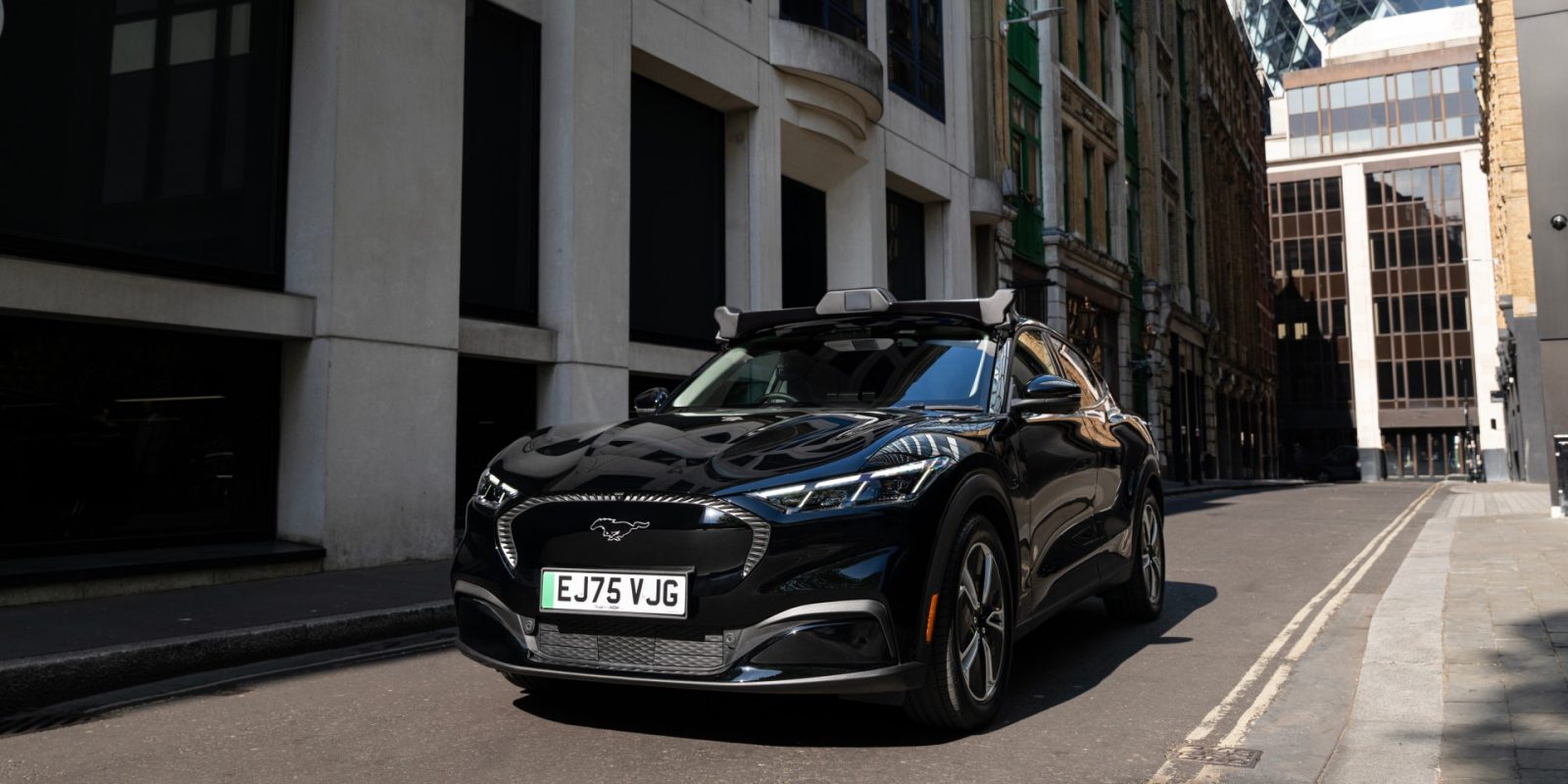
Uber has launched its first autonomous electric vehicle (EV) rides in London, marking a significant milestone for self-driving technology in the United Kingdom. This service allows select customers to hail an autonomous vehicle through the Uber app, with the vehicles operating within specific zones of the city. The initiative represents a major step forward in the integration of autonomous driving technology into mainstream ride-sharing services. The company has been piloting autonomous vehicles in various locations globally, and this London deployment signifies a new phase of expansion and testing in a major European capital.
The autonomous vehicles deployed are electric, aligning with broader sustainability goals and the increasing focus on decarbonizing urban transportation. These vehicles are equipped with advanced sensor suites, including lidar, radar, and cameras, to perceive their surroundings and navigate safely. Sophisticated AI algorithms process this sensor data in real-time to make driving decisions, such as steering, acceleration, and braking. The service is initially available to a limited number of users to gather feedback and refine the technology in a complex urban environment. Uber's strategy involves a phased rollout, gradually expanding the service area and availability as the technology proves its reliability and safety.
This launch in London follows extensive testing and development by Uber and its partners. The company has emphasized its commitment to safety, with autonomous vehicles operating with trained safety drivers present during initial phases of testing and deployment. The regulatory landscape for autonomous vehicles in the UK has been evolving, and this launch indicates progress in establishing frameworks that permit such services. The introduction of autonomous rides in London is expected to provide valuable data on how these vehicles perform in diverse traffic conditions, weather patterns, and road infrastructures characteristic of a large metropolitan area. The insights gained will be crucial for future development and wider adoption of autonomous ride-sharing.
Uber's move into autonomous rides in London is part of a global trend towards the commercialization of self-driving technology. Competitors and other technology companies are also investing heavily in developing and deploying autonomous vehicles for various applications, including ride-hailing, delivery, and logistics. The success of this London pilot could pave the way for broader autonomous ride-sharing services in other UK cities and internationally. The company aims to leverage autonomous technology to improve service efficiency, reduce operational costs, and enhance the overall customer experience. The long-term vision includes a fully autonomous fleet that operates around the clock, providing a more accessible and potentially more affordable transportation option.
Original source — read the full reporting at the publisher:
Read on ElectrekGet the weekly AI digest
AI news + new model releases, weekly. Drafted by our agents, reviewed by humans.