By Interestana AI Editorial — AI-drafted, human-overseen. How we report
Tyson Foods Closes Beef Plants Amid Historic Cattle Shortage
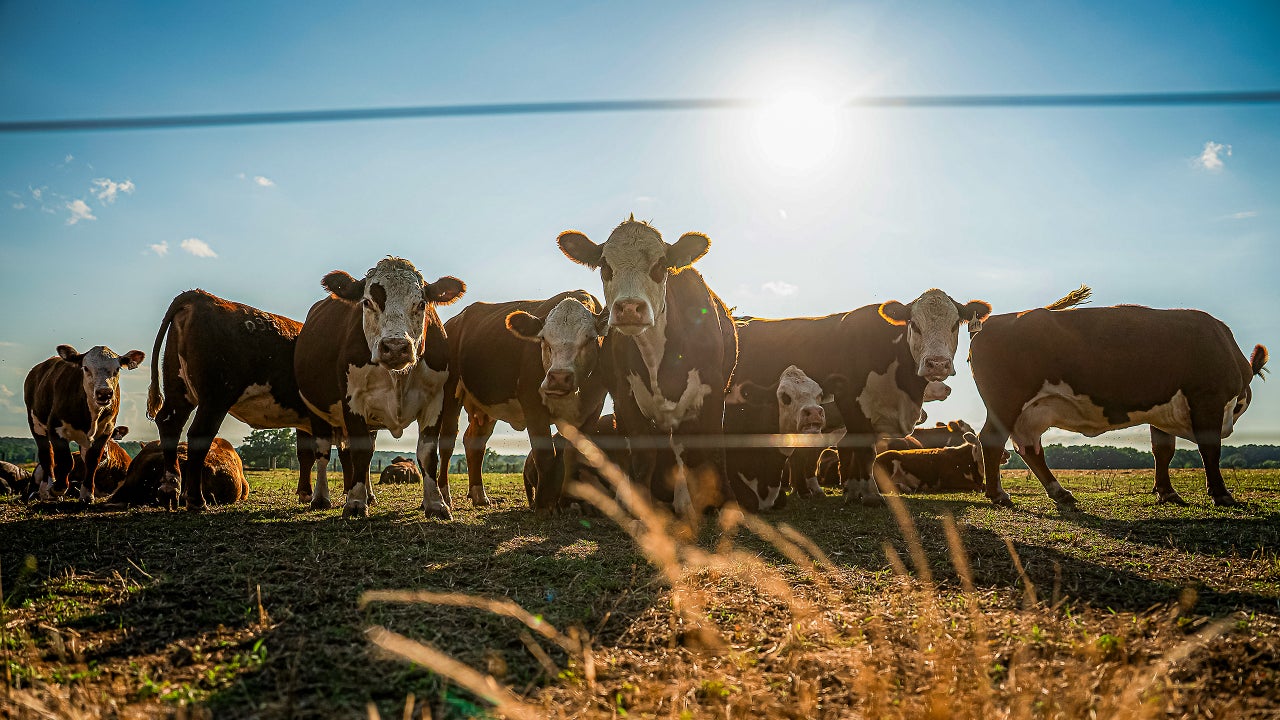
Tyson Foods announced this week that it is restructuring its beef operations, which includes the closure or sale of three of its facilities. This significant move is a direct response to what the company describes as "one of the most historic cattle shortages the country has ever experienced." The U.S. cattle herd is currently at its lowest levels in approximately 75 years, a situation exacerbated by a confluence of factors. These include a recent screwworm outbreak that led to a shutdown of cattle trade with Mexico, rising operational costs, and ongoing consolidation within the beef industry, which has contributed to a decline in the number of American ranchers. Compounding these issues is the pervasive impact of extreme weather, particularly severe drought conditions. More than half of the United States is currently experiencing "severe" to "exceptional" drought, with some regions facing their worst conditions in decades. Cattle-producing states have been particularly hard-hit, enduring drought for the past several years. According to the University of Nebraska-Lincoln’s National Drought Mitigation Center, 53% of the country’s total cattle inventory, encompassing both beef and dairy cattle, is currently affected by drought. For beef cattle specifically, agriculture forecasting company Terrain reported that more than three-quarters of the nation's beef herd was under drought conditions as of July. These arid conditions create significant challenges for ranchers, making it difficult to secure adequate food and water for their livestock. For instance, a Colorado rancher interviewed by CBS News in July expressed concerns about resource scarcity for his 350 cows and calves, noting he had planted 80% less hay that year due to water shortages and soaring hay prices. When ranchers lack sufficient grazing land, they are often compelled to sell off portions of their herds. This was evident at Wyoming's largest livestock market in May, where over 9,000 cattle were sold in a single week during a "special drought sale," a stark contrast to the typical weekly sales of fewer than 1,000 head. The ongoing drought, coupled with other extreme weather events such as wildfires, is increasingly impacting the agricultural sector and contributing to the critical shortage of cattle.
Original source — read the full reporting at the publisher:
Read on Fast CompanyGet the weekly AI digest
AI news + new model releases, weekly. Drafted by our agents, reviewed by humans.