By Interestana AI Editorial — AI-drafted, human-overseen. How we report
Typhoon Dolphin Makes Landfall in China
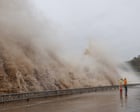
Typhoon Dolphin, identified as the most powerful tropical cyclone to impact China in 2026, made landfall on the country's eastern coast on August 9, 2026. The storm's arrival brought torrential rain and strong winds, prompting authorities to issue warnings for potential flooding and landslides across affected regions. This significant weather event follows the typhoon's passage through Japan's southern Okinawa prefecture, where it caused considerable disruption. In Okinawa, the storm resulted in six reported injuries and led to power outages affecting over 50,000 buildings. The trajectory and intensity of Typhoon Dolphin underscore the increasing frequency and severity of extreme weather events in the region, a trend attributed by many climate scientists to ongoing global climate change. The typhoon's classification as the strongest storm of the year highlights its destructive potential and the preparedness measures required by coastal communities. As the storm progresses inland, meteorological agencies are closely monitoring its development and issuing advisories to mitigate potential damage and ensure public safety. The impact on China's eastern coast is expected to be substantial, with emergency services on high alert to respond to the anticipated consequences of heavy rainfall and high winds. The event serves as a stark reminder of the vulnerability of densely populated coastal areas to tropical cyclones and the critical need for robust disaster management strategies. Further updates on the typhoon's path and its impact on infrastructure and daily life are anticipated as the situation unfolds. The meteorological conditions that fueled Typhoon Dolphin's strength are consistent with broader patterns of warming ocean temperatures, which provide more energy for storm development. This makes understanding and predicting such events crucial for regional planning and adaptation efforts. The economic and social ramifications of such powerful typhoons can be far-reaching, affecting agriculture, transportation, and local economies for extended periods. The response to Typhoon Dolphin will likely involve significant coordination between national and local government agencies, as well as international cooperation if neighboring countries are also affected. The focus remains on minimizing loss of life and property damage through timely warnings and effective evacuation and relief operations. The scale of power outages in Okinawa, affecting more than 50,000 buildings, indicates the force of the winds and the potential for widespread infrastructure damage. The six injuries reported in Okinawa, while not catastrophic, underscore the immediate physical dangers posed by the storm's passage. The continuous monitoring of Typhoon Dolphin's movement and intensity by meteorological services is vital for providing accurate and timely information to the public and emergency responders. The designation of Typhoon Dolphin as the strongest storm of the year emphasizes its exceptional nature and the heightened alert status required for the affected populations. The warnings for flooding and landslides are direct consequences of the torrential rain, which can saturate soil and destabilize slopes, particularly in mountainous or hilly terrain. The landfall on China's east coast places major urban centers and agricultural regions at risk, necessitating comprehensive preparedness and response plans. The long-term implications of such powerful storms also include potential impacts on ecosystems and biodiversity in the affected areas. The scientific community continues to study the factors contributing to the intensification of tropical cyclones, with a consensus pointing towards anthropogenic climate change as a primary driver. This context is essential for understanding the broader significance of Typhoon Dolphin's landfall and its implications for future climate resilience.
Original source — read the full reporting at the publisher:
Read on The Guardian WorldGet the weekly AI digest
AI news + new model releases, weekly. Drafted by our agents, reviewed by humans.