By Interestana AI Editorial — AI-drafted, human-overseen. How we report
Two Unvaccinated Individuals Die from Measles in Pennsylvania, Marking First State Deaths in 35 Years
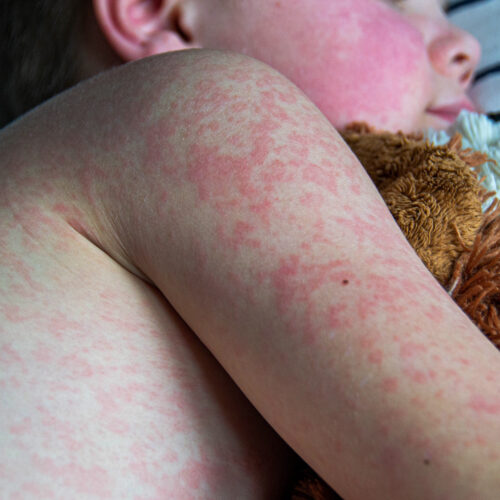
Pennsylvania state health officials have confirmed the tragic deaths of two unvaccinated individuals from measles, marking a grim milestone for the state. These fatalities are the first reported measles deaths in Pennsylvania in 35 years, a stark indicator of the virus's re-emergence. Nationally, these deaths are also the first recorded in the United States in 2026, underscoring a growing public health concern. The previous year, 2025, witnessed three measles-related fatalities in the US: two occurred in Texas, affecting otherwise healthy but unvaccinated school-aged children, and a third death involved an unvaccinated adult in New Mexico. Prior to these recent events, the United States had not experienced a measles death since 2015, when a woman with pre-existing health conditions succumbed to severe complications from the illness. In line with privacy regulations, Pennsylvania health officials have refrained from disclosing specific personal details about the deceased, beyond confirming that both individuals were unvaccinated and resided in Lancaster County. This region, known for its significant Amish population, has historically seen lower vaccination rates, which can contribute to outbreaks of preventable diseases. These two deaths are part of a broader measles outbreak currently affecting Pennsylvania. State officials have reported a total of 393 confirmed measles cases across 28 counties this year. Measles is an extremely contagious viral illness caused by the measles virus. It spreads through respiratory droplets when an infected person coughs or sneezes. The virus can remain infectious in the air and on surfaces for up to two hours after an infected person leaves an area. Symptoms typically appear 7 to 14 days after infection and include a high fever, cough, runny nose, red, watery eyes, and a characteristic rash that begins on the face and spreads to the rest of the body. Complications can be severe and include pneumonia, encephalitis (swelling of the brain), ear infections, and diarrhea. In rare cases, measles can lead to subacute sclerosing panencephalitis (SSPE), a fatal degenerative disease of the central nervous system that can occur years after the initial infection. The Centers for Disease Control and Prevention (CDC) strongly recommends the measles, mumps, and rubella (MMR) vaccine as the most effective method of preventing measles. The MMR vaccine is a combination vaccine that protects against these three viral diseases. Two doses of the MMR vaccine are highly effective, providing approximately 97% protection against measles for life. The resurgence of measles cases and the associated deaths in Pennsylvania and across the US highlight the critical importance of maintaining high vaccination coverage rates within communities. Achieving herd immunity, where a sufficient percentage of the population is immune, is essential to protect those who cannot be vaccinated, such as infants too young to receive the vaccine or individuals with compromised immune systems. Public health agencies are actively monitoring the evolving situation and are urging the public to ensure their vaccination status is up to date to prevent further spread of this potentially deadly disease.
Original source — read the full reporting at the publisher:
Read on Ars TechnicaGet the weekly AI digest
AI news + new model releases, weekly. Drafted by our agents, reviewed by humans.