By Interestana AI Editorial — AI-drafted, human-overseen. How we report
Two-Thirds Of Workers Hack Office Spaces For Comfort
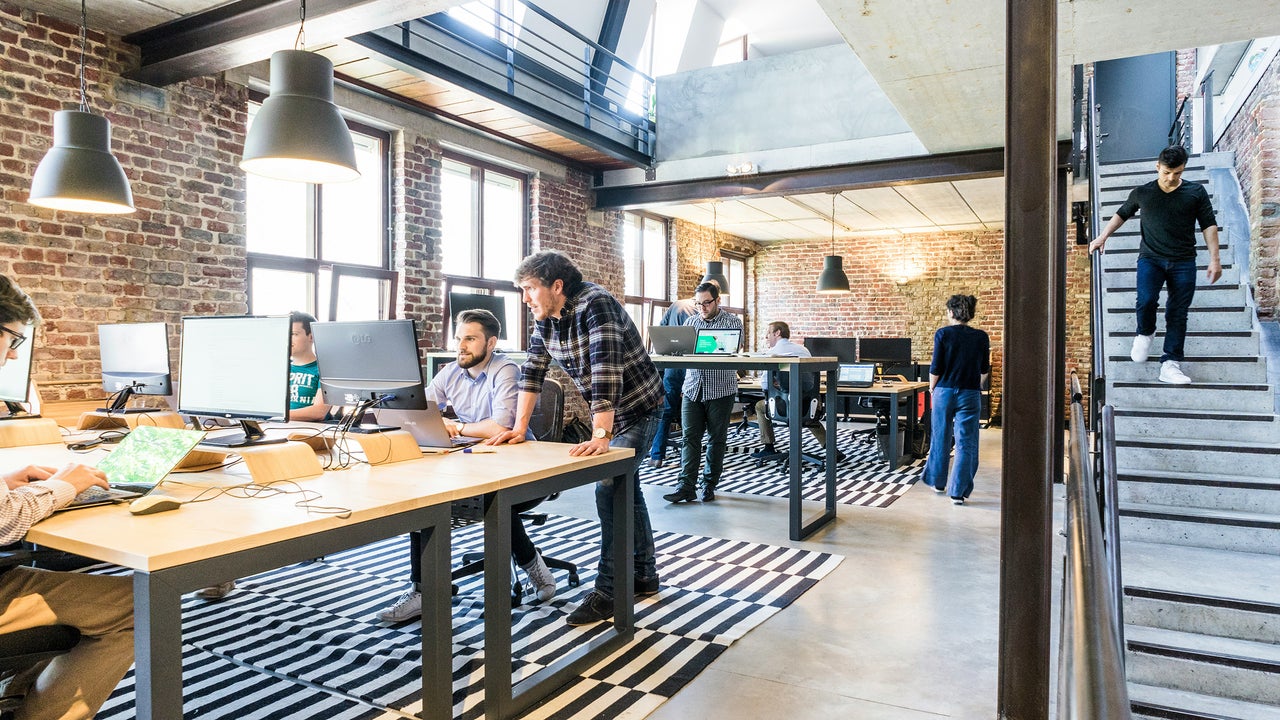
A significant majority of office workers, specifically two-thirds, are employing do-it-yourself "hacks" to enhance their workspaces and mitigate discomforts associated with returning to the office, according to an international survey released earlier this year by global design firm Gensler. This anonymous, panel-based survey gathered insights from nearly 16,500 workers across 16 countries, highlighting a widespread effort by employees to personalize and optimize their environments for comfort, privacy, and functionality. The findings underscore persistent challenges in workplace design and employee satisfaction, even as the settings where people work have shown some stabilization over the past three years. The average worker now dedicates 55% of their time to the office, with an additional 26% spent in coworking spaces, client or vendor sites, third places, or during business travel.
The survey identified that a quarter of employees resort to workspace "hacking" to address specific issues related to ergonomics, temperature control, privacy concerns, and storage limitations. These makeshift solutions range from rearranging furniture and introducing personal heating or cooling devices like portable heaters and fans, to modifying air vents to better regulate airflow. Furthermore, employees commonly implement changes to optimize lighting conditions, such as adding extra reading lights, and to reduce noise pollution, frequently by using headphones. These individual adaptations reflect a disconnect between employer-provided office environments and the nuanced needs of the modern workforce, particularly in the post-pandemic era where flexibility and personal well-being have become paramount.
Broader trends in work arrangements further contextualize these findings. A May estimate from Gallup indicated that 22% of "remote-capable" workers, a category encompassing most knowledge workers, have returned to full-time on-site work. Concurrently, 52% of these workers are operating under hybrid arrangements, while 26% remain exclusively remote. In the United States specifically, data from the Federal Reserve of St. Louis as of October 2026 shows that approximately 58% of all full-time wage and salary workers are back on-site. This ongoing shift back to physical offices, coupled with the prevalence of hybrid models, places increased importance on the quality and adaptability of the in-office experience.
Beyond individual workspace modifications, the survey also highlighted systemic issues impacting employee experience. More than 60% of respondents reported that insufficient meeting space frequently compels them to conduct calls from hallways or staircases, or to resort to canceling meetings altogether. The implementation of unassigned seating, a policy adopted by some organizations to encourage flexibility and collaboration, is a source of stress for nearly 20% of workers, with fewer than half of those surveyed deeming the policy effective. These collective challenges suggest that employers face a significant hurdle in creating an attractive and functional post-pandemic workplace that genuinely meets the diverse needs and preferences of their employees, prompting workers to take matters into their own hands through "hacks."
Original source — read the full reporting at the publisher:
Read on Fast CompanyGet the weekly AI digest
AI news + new model releases, weekly. Drafted by our agents, reviewed by humans.