By Interestana AI Editorial — AI-drafted, human-overseen. How we report
Two Robinhood Engineers Charged With Insider Trading
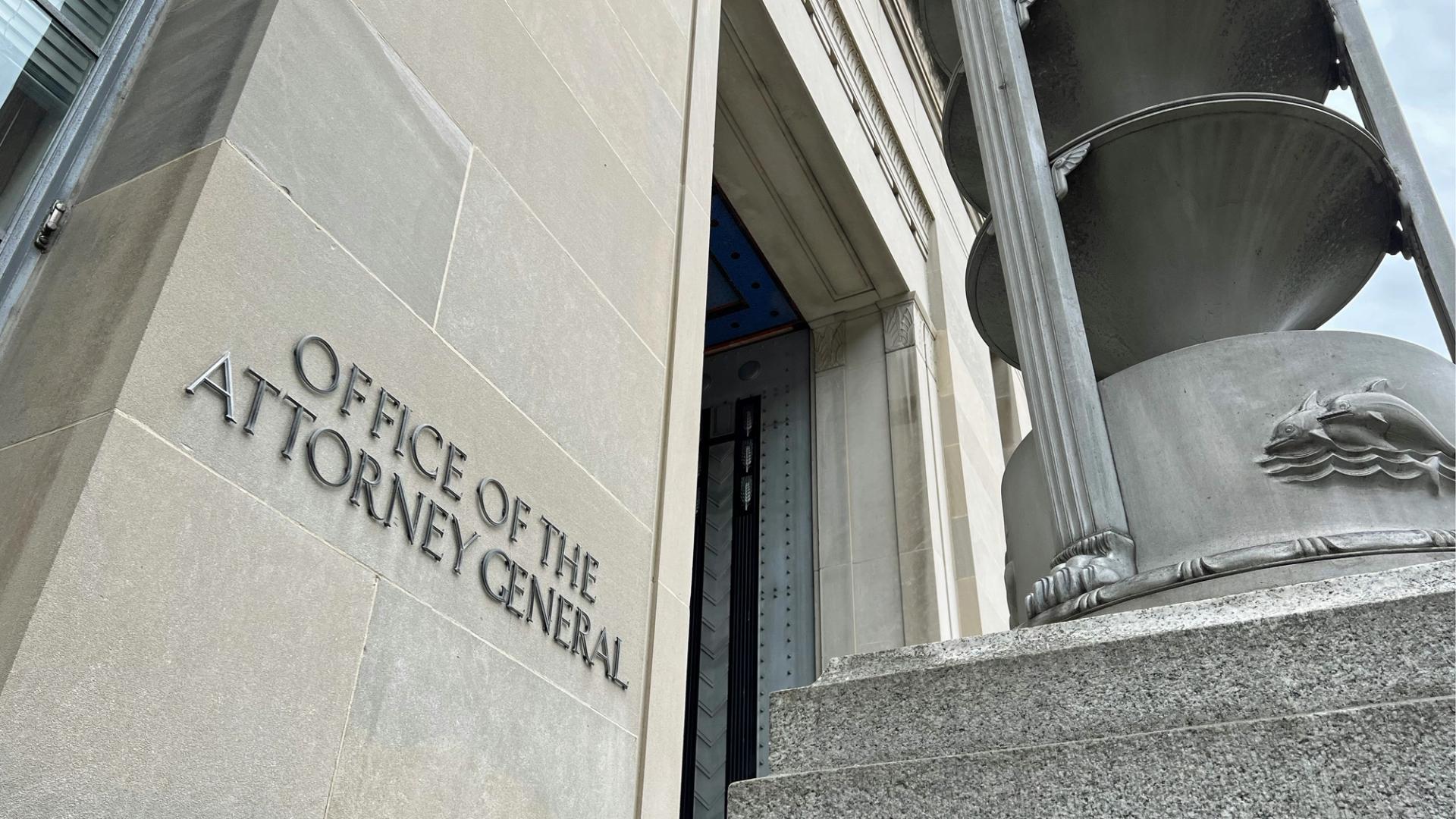
Two software engineers employed by Robinhood have been charged by U.S. prosecutors with engaging in insider trading by exploiting confidential information about upcoming cryptocurrency listings. The alleged scheme involved using non-public data regarding token additions to the Robinhood platform to execute trades on the Hyperliquid decentralized exchange, a platform specializing in perpetual futures contracts for digital assets. This practice, known as front-running, allows individuals to profit by placing trades ahead of a larger, anticipated market movement that they have foreknowledge of.
According to the indictment, the engineers, identified as Vladimir Quintanilla and Joshua Van Horn, allegedly accessed and utilized Robinhood's internal data concerning new token integrations. This information would have provided them with a significant advantage, as the announcement of a new token listing on a major platform like Robinhood typically leads to a substantial increase in the token's price. By trading on Hyperliquid before these announcements were made public, Quintanilla and Van Horn could allegedly secure profits by buying the tokens at a lower price and selling them at the inflated price post-announcement. The indictment details that the scheme allowed them to profit from these trades, although specific financial figures were not immediately disclosed in the initial reports.
The charges brought against Quintanilla and Van Horn include conspiracy to commit securities fraud and wire fraud, as well as substantive counts of securities fraud and wire fraud. The U.S. Attorney for the Southern District of New York, Damian Williams, stated that the defendants "abused their positions of trust" at Robinhood to illegally profit. The Securities and Exchange Commission (SEC) also filed a civil complaint against the two engineers, seeking disgorgement of ill-gotten gains, prejudgment interest, and civil penalties. The SEC's complaint further outlines how the defendants allegedly used their access to Robinhood's proprietary information to trade on Hyperliquid, a platform that facilitates perpetual futures trading, a complex financial instrument that allows traders to speculate on the future price of an asset without owning it directly.
This case highlights the ongoing challenges regulators and law enforcement face in policing illicit activities within the rapidly evolving cryptocurrency markets. The use of decentralized exchanges like Hyperliquid, while offering benefits in terms of transparency and user control, can also present complexities in tracking and prosecuting financial crimes. Robinhood, a popular commission-free trading platform that has expanded its offerings to include cryptocurrencies, has stated that it is cooperating fully with the authorities in their investigation. The company has also emphasized its commitment to maintaining the integrity of its platform and protecting its users. The legal proceedings are expected to shed further light on the specific methods used by the engineers and the extent of their alleged illicit profits, as well as reinforce the regulatory scrutiny on insider trading within the digital asset space.
Original source — read the full reporting at the publisher:
Read on CoinDeskGet the weekly AI digest
AI news + new model releases, weekly. Drafted by our agents, reviewed by humans.