By Interestana AI Editorial — AI-drafted, human-overseen. How we report
Tupac Shakur murder: trial of ex-gang leader accused of ordering killing begins
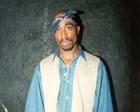
Opening statements in the trial of Duane “Keffe D” Davis, a former gang leader accused of orchestrating the 1996 murder of rap superstar Tupac Shakur, commenced in a Las Vegas courtroom on Monday. Prosecutors have alleged that Davis acted as the “on-the-ground, on-site commander of the effort to kill Tupac.” Shakur, a highly influential figure in the hip-hop world and a prominent artist signed to Death Row Records, died after being shot multiple times in a drive-by incident in Las Vegas on September 7, 1996. He succumbed to his injuries six days later, on September 13, 1996.
Duane Davis, also known as “Keffe D,” has been a central figure in investigations surrounding Shakur's death for many years. He was arrested and charged with murder in September 2023 in Henderson, Nevada. This indictment followed years of intense speculation and, notably, Davis's own public admissions about his involvement in the events leading up to the fatal shooting. In past interviews and documentaries, Davis has stated that he was present in the Cadillac sedan from which the shots were fired. He has also implicated his nephew, Orlando "Baby Lane" Anderson, as the individual who discharged the weapon. Anderson, identified as a member of the Southside Compton Crips, was a primary suspect in Shakur's murder. Tragically, Anderson himself died in an unrelated shooting in 1998, before he could be brought to trial.
The prosecution's case is built on the premise of proving Davis's direct involvement in the planning and execution of the murder. This trial is anticipated to delve into the complex and often violent history of the rivalry between the East Coast and West Coast hip-hop scenes during the 1990s. This era was marked by significant animosity, particularly between the Death Row Records camp, to which Tupac Shakur was signed, and other rival factions. Davis's alleged role as the "on-site commander" suggests a level of premeditation, leadership, and strategic involvement in the act itself, moving beyond mere presence.
These legal proceedings aim to provide a definitive resolution to a case that has remained a subject of intense public interest and extensive media coverage for nearly three decades. The outcome of this trial could offer a measure of closure for Tupac Shakur's family and his vast legion of fans, while also shedding further light on the violent circumstances that tragically ended the life of one of hip-hop's most iconic and enduring figures. The Associated Press contributed reporting to the commencement of this significant trial.
Original source — read the full reporting at the publisher:
Read on The Guardian WorldGet the weekly AI digest
AI news + new model releases, weekly. Drafted by our agents, reviewed by humans.